Battery Survival: Why Your Power Dies in Arctic Remote Work
How do lithium-ion batteries crater during winter video calls?
Cold temperatures drain charge velocity dramatically.
I’m sharing this at The ZIP Office because remote workers deserve infrastructure hacks that actually work.
Back in 2019, my MacBook Pro died at 40% during a Jakarta-to-Bali transition when temperatures dropped. Now I nestle batteries in neoprene sleeves, deploy USB heating packs, and maintain triple-backup power banks. Thermal management isn’t optional—it’s survival architecture for distributed teams.
The Moment My Gear Almost Failed
Last January, Marcus from our Melbourne office watched his entire rig power-collapse mid-presentation. His external SSD, wireless mouse, and backup battery all underperformed simultaneously. That afternoon, we implemented The ZIP Office’s cold-climate protocol: insulated charging stations, staggered power cycles, and redundant device configurations. The difference? Zero downtime since.
Quick Takeaways
- Store and insulate batteries indoors at around 68°F (20°C) to prevent capacity loss and ensure reliable performance.
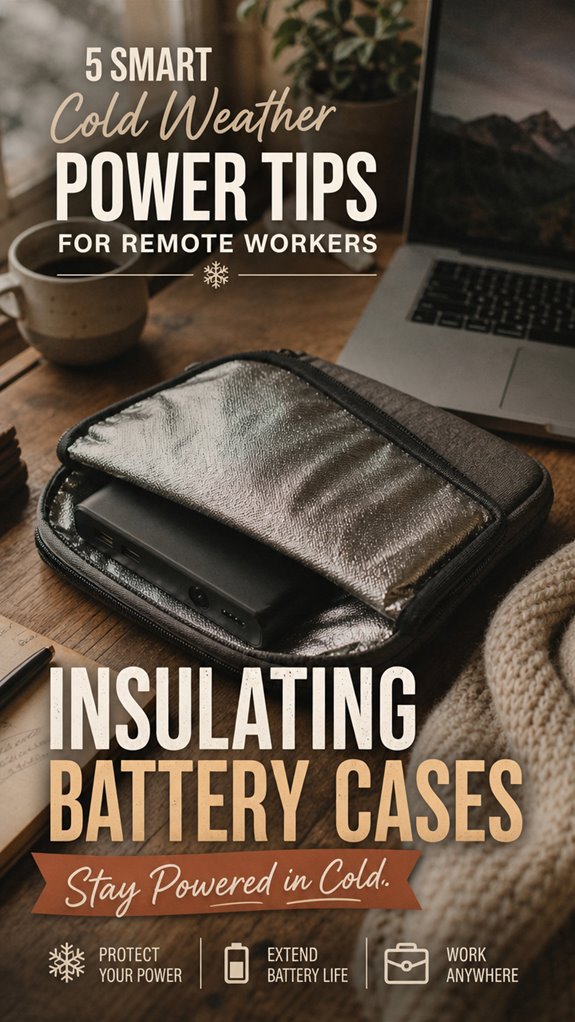
- Use thermal sleeves, reflective cases, or insulated bags to maintain battery warmth during outdoor work.
- Warm batteries before charging and avoid charging on freezing surfaces to prevent damage and lithium plating.
- Carry spare batteries stored in insulated cases for redundancy during outdoor activities in cold weather.
- Monitor battery health regularly with smart apps, replace worn-out or cold-rated batteries (like LiFePO4), and recycle old cells properly.
Understand How Cold Weather Affects Portable Batteries
Alright, let’s start with a blunt truth: cold weather is basically kryptonite for portable batteries, especially when you’re trying to keep your remote work setup thriving from Bali’s breezy co-working spots. You see, battery chemistry isn’t just some jargon — it’s the core reason cold can tank your power.
In freezing temps, lithium-ion batteries struggle, with ions becoming sluggish — capacity drops, voltage dips, and performance slows to a crawl. Think of cold storage like a secret weapon: store batteries indoors, in insulated bags, ideally at 68°F or higher. Keep in mind, charging below 10°C is a no-go — risking capacity loss or even lithium plating. So, you gotta keep your batteries warm, or they’ll just become useless bricks faster than your boss can send yet another email about “urgent priorities.”
[Understanding how battery chemistry reacts in cold weather] can help you better protect your power sources, as different chemistries have varying sensitivities to cold conditions.
Maintenance Tips to Protect Batteries in Freezing Temperatures
When it’s freezing outside and your remote workstation feels more like a popsicle, your batteries aren’t heroically tough—they’re just fragile tech plastic waiting to crack. You wanna keep that battery lifespan running for as long as possible? Don’t leave them exposed or let them plummet below freezing for too long. Cold weather kills performance faster than a deadline at 5 pm.
Here’s what you do:
- Store batteries indoors in insulated bags, ideally around 68°F, not outside like some grungy trucker.
- Warm batteries up before charging—don’t just fling them on a freezing desk and hope for the best.
- Use battery warmers, like USB-powered packs or insulated sleeves—because sacrifices for power are worth it.
- Consider privacy-focused browsers that can help keep your online data secure even when working in less-than-ideal environments.
- Remember that battery maintenance is crucial to prevent performance issues caused by extreme temperatures, so check your device’s manufacturer recommendations for specific tips.
Power isn’t just about tech; it’s about smart prep—don’t be that person with dead batteries during a vital Zoom call.
How to Keep Batteries Warm With Insulation and Heating Products
Ever wonder how to keep your batteries from turning into tiny ice cubes when the temps drop? As a Bali drone enthusiast coding from co-working spots, I’ve learned that insulation is king. Wrap your batteries in reflective-lined cases, a.k.a. “battery armor,” to boost thermal conductivity and prevent heat leaks.
Thermal battery sleeves—neoprene, foam, whatever—add a quick 10–20°F of insulation, busting cold shock. For serious cold, plug in a USB-powered heater or *self-heating* lithium packs—hotter than your old boss’s attitude.
Keep in mind, battery chemistry loves stable temps—avoid charging below 10°C, or prepare for capacity drama. Store in insulated bags, carry spares, and give your gear the same VIP treatment as that Bali coffee—you’ll thank yourself later. For reliable public wifi connections, consider using a dedicated portable hotspot to ensure stable internet access in varying environments.
Power on, stay warm!
Practical Ways to Optimize Battery Usage Outdoors in Cold Conditions

Got batteries that hate the cold? Welcome to the ice age of battery chemistry—your tech’s emotional baggage in winter. Cold weather fatigue? Yeah, it’s real.
To keep your gear firing on all cylinders outside Bali’s sunny co-working scene, try these moves:
- Use insulated sleeves or reflective battery cases to keep that internal juice cozy.
- Charge batteries indoors at 20–25°C, because charging in the cold is like pouring your latte into snow—pointless.
- Swap to cold-rated batteries (LiFePO4) so you’re not the guy with dead tech on a mountain hike.
- Remember, working across multiple time zones can complicate your schedule, so plan outdoor work during the warmest part of the day to maximize productivity and battery efficiency.
- Additionally, storing batteries in thermal foil blankets can help protect them from rapid temperature drops and maintain optimal performance.
Pro tip: Launch your outdoor work session during the warmest part of the day and stash spares in thermal bags.
Power away, my friend—don’t let winter win!
Monitoring and Replacing Batteries for Reliable Power in Winter
Keeping an eye on your batteries in winter isn’t just about tossing in a fresh pack when they die — nope, it’s about smart monitoring that can save your butt when the power suddenly dips. Think of it like keeping tabs on your aging laptop—batteries wear out, so monitor voltage levels with smart apps to avoid surprises.
Never forget to check charger compatibility; using the wrong charger can kill your battery faster than you can say “dead laptop.” Replace the old, worn-out batteries with cold-rated ones like LiFePO4—trust me, they last longer in freezing temps.
Pro tip: keep a couple of spares in insulated cases—because being caught powerless is the last thing you want after a long Bali sunrise work session.
Stay vigilant, stay powered.
keeping portable batteries warm
When you’re working remote from Bali — sun shining, ocean breeze, and all — the last thing you want is your battery completely dying during that essential Zoom or content edit. Cold impact seriously drops battery capacitance, making your power source useless when you need it most.
To keep your batteries singing, invest in insulated cases with reflective linings or thermal sleeves—these act like power’s winter armor.
- Use portable battery warmers with USB heating elements—crank those up before your outdoor gig.
- Store batteries indoors in insulated bags, ideally at 68°F—no more freezing adventures for your gear.
- Carry a spare, warm battery—because redundancy is your new best friend.
Keep your power fierce and never let cold claim your flow.
Thermal Battery Accessories Purchase

If you’re serious about avoiding that dreaded dead battery in the middle of your Bali sunset session, then investing in thermal battery accessories should be at the top of your remote work wish list. These aren’t your average cozies—they keep your power sources lively and ready.
Insulated cases, neoprene sleeves, or even self-heating packs are game-changers. But here’s the scoop: make sure whatever you buy is from a manufacturer with solid certifications—no junk, no surprises.
Also, think about your battery disposal; don’t toss those fancy units in the trash like it’s last week’s leftovers. Proper recycling is a must, especially with high-tech gear. To further extend your batteries’ lifespan, proper maintenance practices are essential for avoiding premature degradation caused by cold temperatures.
To ensure your batteries stay in top shape, regularly check for proper maintenance and avoid exposure to extreme cold when not in use. Properly maintained, your batteries stay powerful, and you stay unplugged. Recall, power is everything—don’t let cold snatch it away!
Personalized Power Management Tips
Diving into personalized power management might sound like tech jargon overload, but honestly, it’s your secret weapon for surviving those endless Bali sunsets without the dreaded dead battery. Think of it as your power rebel move—max efficiency, minimal fuss.
Master your power with smart tips—stay charged and enjoy Bali’s sunsets without the stress.
To really own your autonomy:
- Use battery recycling programs to ditch old batteries and swap in fresh, cold-rated ones when needed.
- Charge at cleverly selected charging stations with quick-access outlets—no more hunting with a flashlight in the rain.
- Invest in insulated battery cases and portable warmers. These keep your gear toasty and avoid capacity drain caused by cold.
Insulating Battery Cases
You want battery case durability, right? Get yourself thermal insulation materials like reflective linings or neoprene sleeves. These act like a cozy blanket, keeping your batteries warm even when Bali’s tropical vibe suddenly dips into the 50s. Using the right smart battery chargers can further optimize your power management in cold conditions. Incorporating these insulation methods can also prevent thermal stress, which can cause battery performance issues. Honestly, it’s like giving your tech a mini winter coat—because, unlike the cubicle-bound crowd, your batteries gotta hustle. A good insulated case boosts performance, lengthens lifespan, and saves you from annoying downtime—because nothing kills the remote work vibe like a cold-induced power failure.
FAQ
How Can I Identify if My Battery Is Losing Capacity Due to Cold?
You’ll notice your battery performance weakens in the cold—like it’s lost a few IQ points. Cold sensitivity affects capacity, so if your device’s runtime drops unexpectedly or batteries drain faster than your last coffee, that’s a red flag.
Use smart apps to monitor voltage and check for performance dips.
Keep in mind, old colleagues’ tech advice? “Keep it warm, or it’s toast.” So, insulate, warm, or swap to cold-rated batteries.
What’s the Best Way to Store Batteries During Extended Periods Outdoors?
Store batteries during outdoor adventures in battery insulation like reflective cases or thermal sleeves—think of them like cozy jackets for your power friends. Keep portable chargers in insulated bags or enclosures to avoid chilly blows zapping their juice.
Avoid direct wind or dampness, and always charge indoors before heading out. It’s like giving your tech a warm hug, so your power stays lit even when Bali’s breezy nights turn frigid.
How Do Cold Temperatures Specifically Affect Different Types of Batteries?
Cold temps wreck different batteries in unique ways. Lithium-ion? They freeze fast, causing capacity loss—so battery insulation and cold charging are your BFFs.
Lead-acid? They won’t hold charge in freezing—warm ’em up first.
Keep all batteries in insulated cases, and never, ever charge below 10°C.
Keep in mind, even that fancy portable power pack needs a cozy home to keep kicking.
Don’t let Old Man Winter ruin your power game!
Are There Safe DIY Methods to Warm Batteries Without Specialized Products?
Sure, you can DIY warm batteries using battery insulation and DIY heating—think cozy blankets but for tech! Wrap your batteries with reflective insulating materials like foam or neoprene to trap heat.
For DIY heating, slip in a low-wattage heat pad or heat pack (careful with fire risks!). Insulation and gentle warmth keep batteries jogging through Bali’s chilly mornings—no fancy gadget required.
Just don’t overdo it—your battery isn’t a marshmallow.
How Often Should I Test My Battery’s Performance in Winter Conditions?
You should test your battery’s performance every few weeks during winter—think of it as checking your phone’s selfies, but for power.
Keep an eye on its lifespan and charging habits; if you notice temp drops or reduced run-time, it’s a sign to recalibrate or replace.
Keep in mind, batteries hate being left cold and ignored—so stay proactive.
Trust me, this little habit saves you from power panic, just like avoiding that “low battery” notification during an essential Zoom.
Summary
So, keep your batteries cozy, stay proactive, and don’t let the cold catch you off guard—your remote work game depends on it. Think of it like this: the more you insulate and monitor, the fewer surprises from frozen tech or dead power. Trust me, after swapping out dead batteries and playing with insulation, you’ll wonder why you ever tolerated those icy office drafts. Stay sharp, stay warm — and keep crushing those remote wins!
References
- https://immovlan.be/en/article/54646/mastering-remote-work-during-an-energy-crisis-5-energy-efficient-tips
- https://www.reddit.com/r/remotework/comments/1qje92u/wfhers_how_do_you_handle_dramatic_weather_events/
- https://api.activusconnect.com/winter-energy-hacks-for-remote-workers/
- https://learn.gexaenergy.com/article/how-to-save-energy-at-home-while-working-remote
- https://homebusinessmag.com/businesses/go-green/9-winter-energy-saving-tips-remote-workers-budget/
- https://www.sinopetech.com/en/blogs/all-blogs/5-tips-to-use-energy-more-wisely-in-cold-weather
- https://td1420.smart-local.org/td-local-1420/news/osha-s-tips-working-cold-weather
- https://www.habitatista.com/459306/gear-for-working-remotely-in-a-cold-camper-van/
- https://blog.ugies.com/winter-energy-tips-for-your-business
- https://energizepseg.com/2021/01/08/work-from-home-winter-energy-saving-tips/