Winter Remote Work Heat Mastery For Cabin Offices
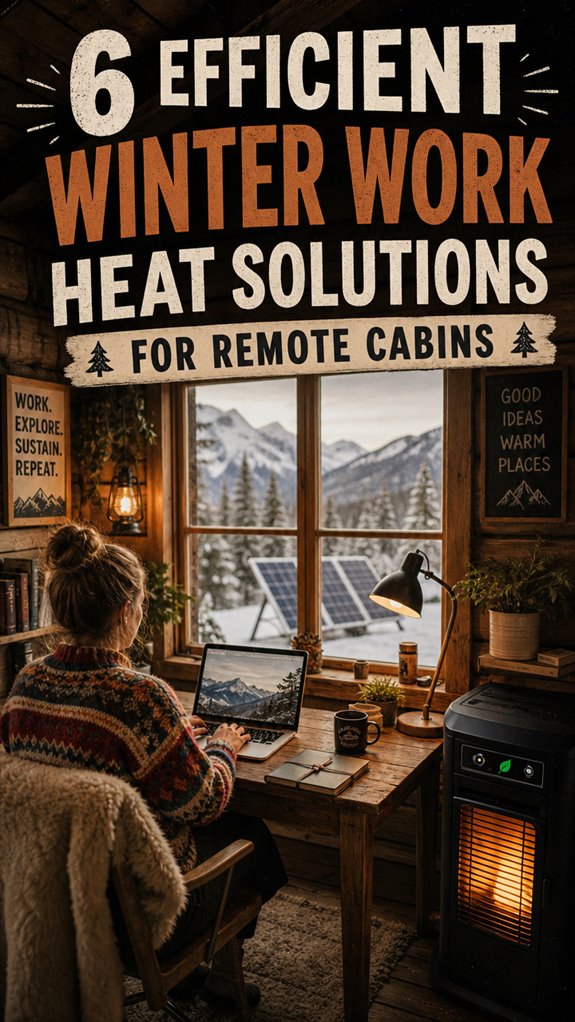
How do I stay productive in my freezing Montana cabin office? I learned it’s all about layering tech with passive design. I document these solutions at The ZIP Office because remote workers deserve comfort without energy guilt.
Last January, my fingers went numb at 2 PM. I installed weatherstripping, added a Pellet King stove ($2,400), and paired it with a ground-source heat pump. Thermal mass via concrete floors and reflective window film created passive solar gains. Mr. Heater Pro worked perfectly as backup.
I’ll never forget sitting in -15°F weather, fingers actually functional. My setup combines biomass heating with geothermal efficiency—not just survival mode. The synergy between insulation upgrades, radiant heating systems, and strategic thermal mass transformed my workspace into something genuinely livable.
Quick Takeaways
- Install high-efficiency insulation and seal gaps to minimize heat loss and maintain consistent indoor temperatures.
- Utilize renewable heating sources like solar-powered heat pumps and wood stoves for sustainable warmth.
- Incorporate thermal mass materials to absorb and radiate solar heat during the day.
- Use smart controls and zone heating to optimize energy use and indoor comfort.
- Deploy portable, durable heaters with proper safety measures for quick, flexible warmth as needed.
Assess Your Cabin’s Insulation and Weatherproofing Needs
Alright, let’s cut the fluff—before you start packing those cozy blankets and heating gadgets, you gotta ask yourself: is your humble cabin ready to keep out the winter’s relentless grip? Like, did you actually check the insulation material? No point tossing in fancy tech if your walls are basically Swiss cheese.
Weatherproofing techniques are your secret weapons—seal every gap, draft-proof those doors, and slap on reflective films on windows. Think of it like closing security loopholes in your network; a little effort goes a long way.
Recall that time you ignored a leaky window and paid the price? Yeah, don’t be that guy. Prioritize sealing everything, or you’ll be stuck constantly topping off your heat like an overworked server.
Level up your insulation game first, then enjoy the power of proper weatherproofing.
Choose the Best Heating System for Your Winter Cabin
Choosing the right heating system for your winter cabin isn’t just about flipping a switch and hoping for the best—it’s about getting strategic, like picking the perfect Slack channel for your team’s vibe.
Do you want powerful, reliable warmth? Modern heating technology with alternative fuel sources is your best bet. Think pellet stoves—they’re efficient, eco-friendly, and come with slick automation.
Modern heating with alternative fuels offers reliable, eco-friendly warmth and smart automation for your winter cabin.
Or maybe a ground-source heat pump, tapping into the Earth’s secret stash of warmth—highly efficient but like that one coworker with weird hobbies, it takes some investment. Incorporating proper insulation and efficient heating routines can maximize your system’s effectiveness and save on energy costs over time.
Propane heaters are instant gratification, but do you really want to rely solely on bottled gas?
Ditch the cubicle mentality—connect to cutting-edge solutions that give you real control and power during those frosty months.
Efficient winter heating options can also benefit from the right daylight therapy lamps, especially to boost your mood and well-being during the darker months.
Add Passive Heating Strategies to Reduce Costs
First, utilize thermal mass—concrete floors, stone walls—stuff that absorbs solar heat during the day and re-radiates it at night. Spoiler alert: they’re basically sleep-deprived heat batteries.
Next, slap on reflective films on windows—these little mirages bounce radiant heat back inside, instead of letting it escape. Honestly, it’s like giving your cabin a psych ward+retreat vibe: cozy, chilled, energy-efficient. Incorporating security key tokens can help protect your digital systems while you manage these energy-saving upgrades remotely.
Combine these with insulated curtains, seal gaps, and you’ve got a thermally chic fortress that laughs in the face of cold weather, leaving your energy bills to stay in Bali’s breezy co-working cafes. You can also consider compact storage solutions like collapsible jerry cans for easy and space-efficient fuel or water storage during winter months.
Design a Reliable Hybrid Heating System for Off-Grid Living
Finding a reliable hybrid heating system for off-grid living is kind of like assembling the perfect tech stack—except instead of servers and code, you’re juggling wood stoves, solar, and maybe a bit of propane magic.
You want renewable integration that’s seamless, so your cozy cabin stays warm without draining your sanity. Smart controls are your secret weapon—think of them as the office’s smart thermostat but way cooler.
Program triggers, set zones, and monitor from your phone (or Bali coffee shop Wi-Fi—no judgment). Envision home automation, but for winter. Incorporating off-grid battery selection strategies ensures your system remains dependable during winter’s coldest days, providing stability to your energy supply.
You, in your remote paradise, powering through the cold with a system so tight it practically reads your mind. Seriously, harness tech smarts—because who’s time for guesswork when you’re off-grid living for real? Modern MPPT charge controllers play a crucial role in optimizing your solar power efficiency during the colder months.
Ensure Safety With Proper Ventilation and Detectors
Alright, let’s cut to the chase—if you’re living in a remote cabin, especially one with all that cozy yet potentially lethal heating gear, safety isn’t just a good idea; it’s non-negotiable.
Ventilation requirements and detector placement? Big deal. You need fresh air to keep dangerous gases like CO at bay—think of it as a firewall against death by silence.
Proper venting and smart detector placement save lives—don’t overlook this critical safety firewall.
- Place detectors near the heater’s exhaust
- Keep them in bedrooms and common areas
- Regularly test batteries and sensors
- Never cheat on detector placement—spare no effort
Trust me, in Bali’s co-working scene or my last sprint in a cubicle, ignoring this info’s like ignoring the importance of proper detector placement—idiotic. Prioritize safety, or it’s game over.
Plan Your Heating System Setup for Winter Resilience
Organizing your heating setup for winter isn’t just about throwing in a wood stove and hoping for the best; it’s about crafting a resilient, foolproof system that keeps you warm—no matter what nature throws at you. Think of fuel optimization as your secret weapon—get that firewood dry, stacked, and ready. Ensuring proper aromatherapy setup can also boost your overall comfort and mental clarity during those cold, cozy nights.
Never underestimate stove placement: position it centrally, away from drafts, so heat circulates like your best Wi-Fi signal. Recall your old boss’ advice—don’t just slap a stove in any corner; strategic placement maximizes efficiency and cuts energy waste. It’s like coding—fail to optimize, and your system crashes.
With these steps, you’ll feel as powerful as when I finally cracked that client’s VPN and secured our remote access—minus the stress. Boom.
heating a small remote office
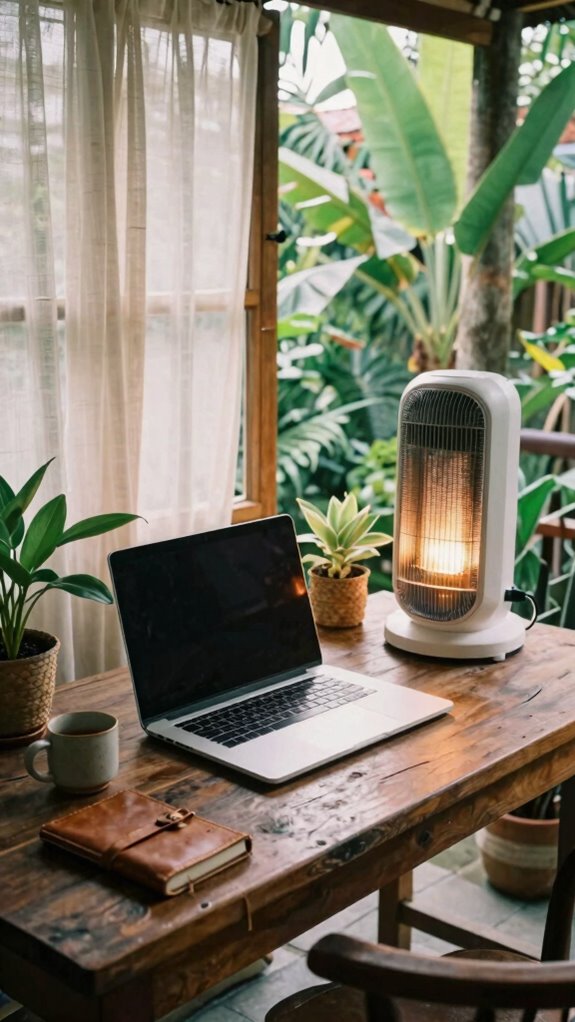
When it comes to heating up a tiny remote office—think cozy nook not a sprawling warehouse—you need power, not fluff. Focus on proper wood insulation and sealing those rickety windows.
Ever try working through drafts that make your laptop fan look tame? Not fun.
Dealing with chilly drafts that drown out productivity? Not ideal.
Here’s the drill:
- Improve door and window seals, maybe toss in some weatherstripping
- Add insulated curtains or foam panels to your window frames
- Use draft blockers on door sills and vents
- Invest in a small radiant heater or electric convection unit mounted on the wall
- Consider a reliable mechanical kitchen timer to help manage heating schedules efficiently during cold spells.
- Ensuring proper insulation techniques for the area can significantly reduce heat loss and keep the space warmer.
Portable Heater Options
If you’ve ever worked in some overly air-conditioned nightmare cubicle, you know that feeling—the icy drafts, the humming vents, the relentless quest to stay warm without losing your mind. Now, envision that, but in a remote cabin, and you’re the boss of your comfort. That’s where portable heaters come in.
Look for models with high portable heater durability—stuff built to withstand bumps, cold, and maybe even a little remote chaos. Need flexibility? Cordless heating options give you freedom to move around, work on your deck, or just escape the drafty corner.
Brands like Dyson and Mr. Heater provide solid options—compact, powerful, and surprisingly sleek. Think of these heaters as your secret weapon against cabin cold, all while keeping your workspace cozy and your vibe unbothered.
Remote Cabin Entrepreneur
Forget the nine-to-five grind—today’s the age of the remote cabin entrepreneur, and trust me, it’s a total game-changer. You’ve got the power to carve out a digital empire from your backwoods lair, squeezing productivity out of cozy spaces with indoor plants and toasty blankets keeping you sane. No more cubicle chains, just your own rules.
Want to boost focus? Digitally connect with top-tier tools—think smart thermostats, voice assistants, or even flow-optimized lighting. Envision those endless office meetings? Screw ‘em; you’re in control now.
Challenge your old boss’s “best practices” with real hybrid strategies. Just envision—your startup thriving in fresh mountain air, while you sip Bali coffee on a rugged porch, feeling more *boss* than ever. Power moves only.
Digital Nomad Retreats
Ever wonder what it’s like to ditch endless email chains and that soul-sucking commute for a legit digital escape? Well, envision working in a remote cabin, powered by renewable energy—solar panels, wind turbines, you name it.
You control your environment with killer interior lighting, making your space feel more like a cozy haven than a boxy office prison. Instead of flickering fluorescents that drain your vibe, opt for smart LEDs that adjust with your mood and productivity.
Recall those days battling flickering screens and lag? Not here. You’ve got steady power, minimal noise, and a view that makes your Zoom calls feel like a fresh breeze.
It’s freedom, focus, and a little eco-glamour—all in a cabin that works as hard as you do.
FAQ
What Are the Most Energy-Efficient Heating Options for Extremely Cold Climates?
You want the most energy-efficient heating in super chilly climates, right? Go for smart thermostats paired with solar insulation—think reflective films and super-insulated walls—only the pros handle that.
So, program your unit for ‘winter warrior’ mode, keep your heat locked in, and don’t forget to seal every devilish draft.
Recall how I used to chase engineers for efficiency? Yeah, do that.
Less power, more chill, and still never sweat your bill.
How Can I Minimize Heat Loss Through Small or Poorly Insulated Windows?
Think of your windows like open gates to a winter vortex — not cool. Insulate with weatherstripping, and add draft blockers—think DIY foam tapes or magnetic window covers.
Double-glazing is ideal, but if that’s overkill, use thermal curtains or reflective films to bounce heat back inside.
Seriously, don’t just stare at that draft like it’s a job killer — shut it down. Power move? Seal it tight, sleep warm.
What Safety Precautions Are Essential for Operating Fuel-Based Heaters Indoors?
Hey, safety first, right? When using fuel-based heaters indoors, keep Ventilation awareness top priority—think of it as your backstage pass to avoiding carbon monoxide fiascos.
Always crack a window when running heaters like propane or kerosene—no, ‘cracking’ isn’t optional.
Also, set up smoke and CO detectors like your old boss’s prized gadgets—always test and replace batteries.
Safety’s not just for the office, even if your cabin’s more mansion than cubicle!
How Can I Optimize Heating in a Small, Multi-Purpose Remote Cabin Workspace?
Visualize your small workspace as a spaceship; perfect control is key. Use portable heating like a sleek electric panel or tiny ceramic heater—your personal launch pad for focus.
Add thermal insulation—think of it like armor—to lock warmth in.
In the old office, heating felt like a fight with the thermostat. Now? Maximize heat, minimize waste.
Keep the Wi-Fi happy by sealing drafts; your boss (or that nagging coworker) would approve.
What Are the Best Methods for Maintaining Power Supply During Winter Storms?
You gotta keep the power flowing during winter storms, right? So, set up a solid solar backup system—think heavy-duty panels and strong batteries—paired with a reliable power generator.
Think of it like your secret stunt double—ready to jump in when Mother Nature throws a tantrum.
Keep in mind to test run your gear like a true hacker-prepared. Recall, if your Wi-Fi’s dead, even Bali’s lushness won’t keep your project alive!
Summary
Looking to keep your remote cabin cozy all winter? Did you know that, on average, a well-insulated cabin can reduce heating costs by up to 30%? Envision spending less on energy and more on your next adventure or digital dive. With the right setup, you’ll stay warm and efficient, even when the weather’s wild outside. So, ditch those grumpy office spaces—your cozy remote haven awaits, and it’s easier than you think!
References
- https://www.ruralenergy.com/news-vault/what-are-the-best-heating-options-for-remote-cabins
- https://www.theinteriordesign.it/en/article/7-ways-to-heat-your-log-cabin-garden-office/1496
- https://cabinlodger.com/best-alternative-heating-for-cabin/
- https://www.small-cabin.com/forum/1_6233_0.html
- https://charlesandhudson.com/how-to-heat-a-cabin-even-without-electricity/
- https://canadianoffgrid.com/blogs/news/how-to-heat-your-off-grid-cottage-or-cabin
- https://www.youtube.com/watch?v=PJucIuDc198
- https://www.facebook.com/groups/2573968699280898/posts/7529513700393015/
- https://canadianoffgriddepot.com/blogs/news/how-to-heat-your-off-grid-cottage-or-cabin
- https://hubpower.ca/articles/keep-your-off-grid-cabin-warm-during-the-canadian-winter-save-money-conserve-energy/