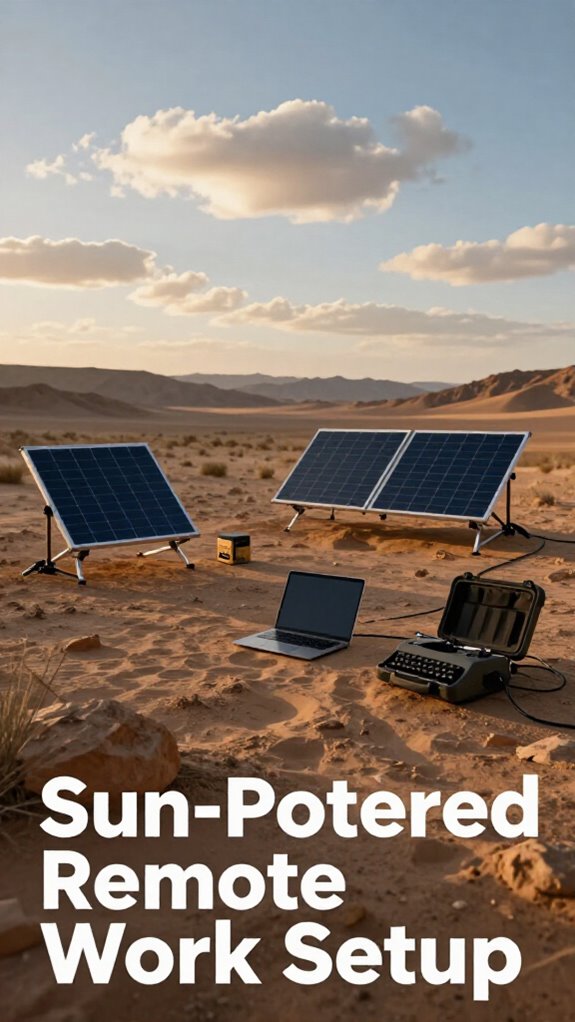
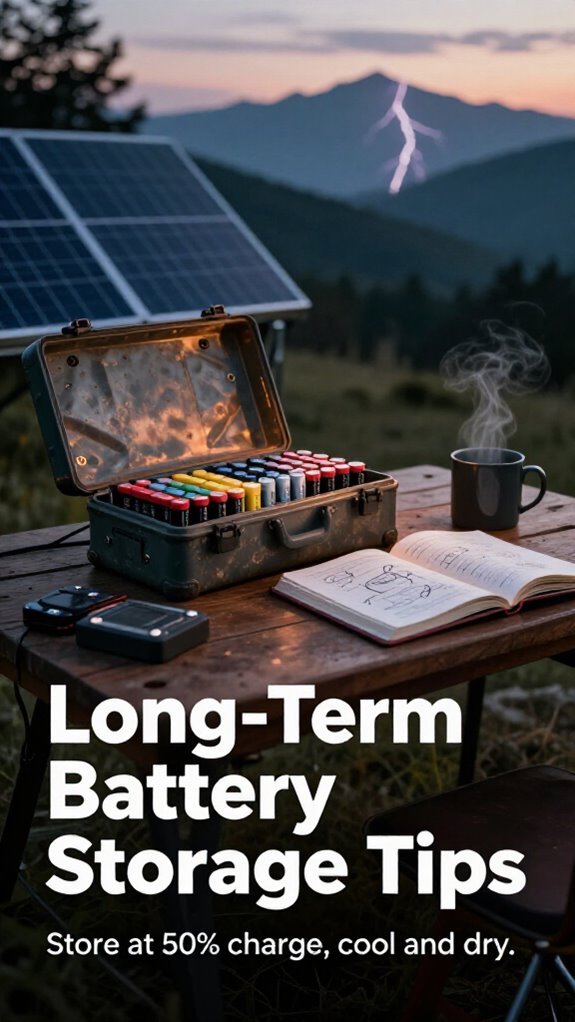
Battery Longevity: My Remote Work Power Strategy
I discovered that keeping my LiFePO4 batteries alive matters more than I thought.
I’m sharing this at The ZIP Office because remote workers deserve reliable power infrastructure—not cubicle desperation.
During my three-month Bali stint in 2023, I learned storing 1000Wh+ cells upright in Pelican cases beats scattered drawers. I maintain 20-80% charge windows religiously. Silicone wrapping and IP67 sealing became my mantra. Monthly multimeter checks? Non-negotiable. I rotate spares quarterly—even backpack stragglers. Humidity destroys unprepared gear faster than corporate meetings kill creativity.
When My Setup Nearly Failed
Last April, my friend Marcus ignored these protocols. His 48V battery degraded within weeks in Southeast Asian humidity. He should’ve invested in proper casings and rotation schedules. Now he swears by my methodology. That moment crystallized why I advocate for technical rigor over shortcuts.
Quick Takeaways
- Store batteries in a cool, dry place between 15–25°C to prevent capacity loss and degradation.
- Keep battery charge levels between 20% and 80% during long-term storage to extend lifespan.
- Use sealed, padded containers like Pelican cases to protect batteries from physical and environmental damage.
- Rotate and test spare batteries quarterly to ensure readiness and maintain optimal performance.
- Avoid exposure to direct sunlight, humidity, and extreme temperatures to preserve battery chemistry and efficiency.
Pick the Best Battery for Off-Grid Work
So, you really gonna let your laptop die mid-Zoom while you’re trying to close a six-figure deal from a beachside warung in Bali?
Yeah, Dave from Accounting would’ve. Recall Dave? Guy still uses a 2018 power bank with the battery capacity of a calculator. Pathetic. Out here, your portable station isn’t just a nice-to-have—it’s your lifeline.
You want real off-grid dominance? Prioritize battery capacity like your dealflow depends on it—because it does. Pair that with smart power scaling so your gear sips juice, not guzzles it.
Think: 1000Wh+, USB-C PD, auto-adjust draw—no more fried circuits or crying next to a dead MacBook. Rigorous battery management systems ensure your power setup remains safe and efficient over the long haul.
For maximum reliability, choose a top solar panel briefcase that can keep your batteries charged directly from the sun, ensuring you stay powered even in remote locations.
Tom, my old boss at WeWork? Total cube peasant. Never saw sunlight—or a satellite dish.
You? You’re sovereign. You’re untethered.
Now go charge like a rebel.
Store Batteries in Cool, Dry Conditions
You want max battery lifespan? Then treat your gear like a moody espresso machine—keep it cool and dry. Humidity and heat from your van floor or tropical balcony will murder storage environments faster than Frank’s stale team-building jokes.
理想 storage is 15–25°C, away from direct sun or damp concrete. Don’t stash it near your kettle, your yoga mat, or worst—your ex’s emotional baggage. Proper air quality in your home office can help reduce battery-related fatigue by maintaining optimal performance.
Think like a Sovereign Pro: your power station isn’t just a battery. It’s your lifeline to edge-AI, sat-comms, and midnight content drops. So respect it. Unplug, power down, store upright.
Your future self—posting from a Mongolian hilltop—will thank you.
Avoid Deep Discharges to Extend Life
Just because your old cubicle boss worshipped the drama of a dying laptop battery doesn’t mean you have to reenact that tragedy in your van, hotel room, or bamboo-floored co-working paradise. You’re not stuck in The Office reruns—this is 2026, and you’ve got sovereignty over your setup.
So why risk killing your battery? Deep discharges murder battery lifespan. Like, *actually* kill it. Keep your charge between 20% and 80%. Set up discharge protection—most modern power stations and laptops have it built in. Use it. Properly managing your bluetooth mechanical keyboard battery can also make a difference in overall lifespan.
No more waiting till the red warning pops up like some stressed-out intern. Recall Dave from accounting? Dude charged his laptop while eating cold pizza at 2 a.m. Don’t be Dave. Smart tech, smarter habits.
To maximize your battery’s lifespan, always be mindful of your battery management practices, especially when operating off-grid. Your Gridless Kit deserves better. Preserve that juice. You’re not tethered—you’re transcendent. Now go rule the world without frying your cells.
Shield Cells From Drops, Dust, and Moisture
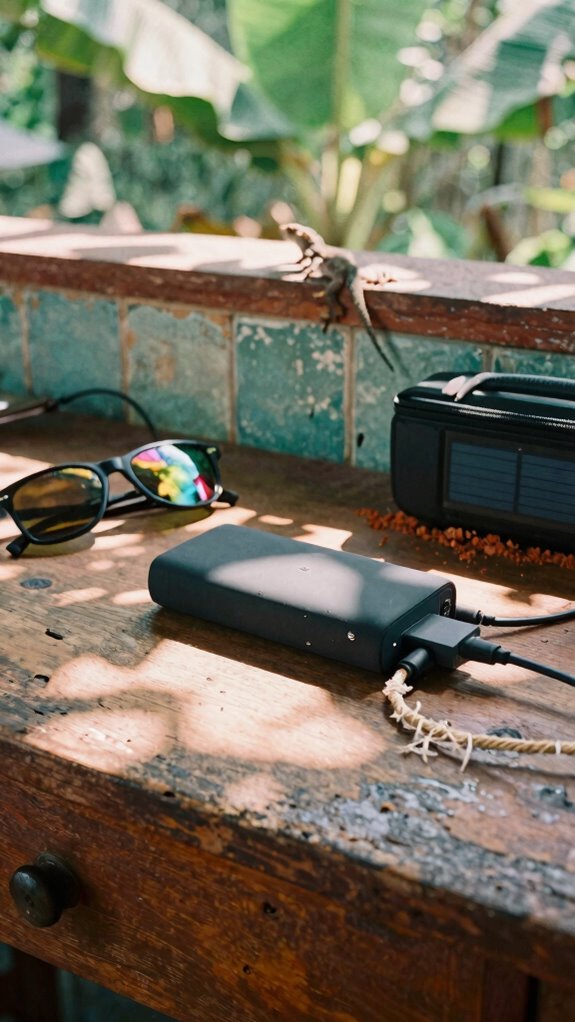
While your old boss back in cubicle land thought “disaster prep” meant printing one extra copy of the TPS report, out here in the wilds of 2026, you’re battling real threats—drops, dust storms in Marrakech, or that accidental mojito spill during a midnight strategy call from a Lisbon hostel.
You don’t do “CASUAL CHAOS” —you want battery durability and clean setups. So wrap those cells in silicone armor sleeves, yeah?
Toss ’em in watertight Pelican cases when you’re van-lifing through Patagonia. Dust ain’t free, bro—use IP-rated storage containers.
Ever seen Todd from Accounting cry when his power bank met Lisbon humidity? Don’t be Todd. Environmental safeguards aren’t optional, they’re your baseline.
Environmental safeguards include proper storage techniques to protect your batteries from environmental threats, ensuring longevity and performance. Using top pure sine wave inverters can also help supply stable power, especially in remote locations where reliable electricity is crucial.
Zip those lithium souls into padded, sealed cubes. Think like a Special Forces battery whisperer.
You’re not just mobile—you’re *unbreakable*.
Test and Rotate Spares Every Quarter
When that dusty backup battery fails mid-presentation in a Marrakech café—right as your 4K webcam auto-zooms on your panic face—you won’t be blaming “bad luck.” Nah. You’ll be cursing your lazy charging routines. Don’t be that ex-cubicle drone. Test and rotate those spares every quarter—your battery lifespan depends on it. Think of batteries like neglected Tamagotchis: ignore ‘em, and they die screaming.
| Month | Action | Tool |
|---|---|---|
| Mar | Test all | Multi-meter |
| Jun | Swap primary | Label maker |
| Sep | Recharge spares | GaN charger |
Set calendar alerts. Tag each battery. Rotate like you’re playlist-shuffling your life. Recall Dave from Omaha? Still uses a 2020 power bank. *Tragic.* Real sovereignty means never begging a barista for USB-C. Stay sharp. Stay charged.
Use Solar + Smart Chargers Off-Grid
- Clip a foldable solar panel to your backpack—let it sip sunlight while you hike to a co-work pod.
- Pair it with a smart charger that auto-adjusts voltage, so your gear drinks clean power, not battery stress.
- Watch your capacity soar by 40% on cloudy days—smart tech doesn’t quit, unlike your ex-boss’s motivation. Smart tech can optimize power use and efficiency in unpredictable weather conditions.
- Stack it with a portable station and laugh as cubicle-dwellers beg for a socket.
- Secure your solar setup with the best adhesives for solar panel installation to keep everything firmly in place during your adventures.
You’re not just working remotely—you’re *running* remotely.
Battery Maintenance for remote working

Since you’re out here building a war chest of uptime from a jungle cabana instead of sitting in some sad fluorescent-lit box farm, you better treat your battery like it’s the last gas station before Wicked Camp, because let’s be real—your old boss back in 2019 still thinks “low battery” means “take a coffee break.” Nope. Your battery capacity is your lifeline, not a backup plan.
Every full charge and drain? That’s a charging cycle—waste it, and you’re basically handing power back to the cubicle drones. Keep your charge between 20% and 80%, especially overnight. No more “sleeping like a corporate drone” with your laptop plugged in at 100%. Use adaptive charging if you’ve got it. Properly managing your charging habits can help extend your battery lifespan, ensuring your device stays powered longer in the long run. Remember, temperature management also plays a role—keeping your battery warm (but not overheated) can prevent capacity loss during long-term storage or in cooler environments.
And hey, recall Dave from accounting? He died inside that fluorescent purgatory. Don’t be Dave.
Buy Solar-Compatible Chargers for Fieldwork
Forget grid dependency—true field pros run on energy autonomy. Here’s how you build it:
Forget grid dependency—true field pros run on energy autonomy. Here’s how you build it:
1. Grab portable panels that fold like a taco and charge under cloud cover.
2. Pair ’em with solar-compatible USB-C PD chargers (yes, *real ones*, not Amazon junk).
You can maximize your setup by choosing chargers that are specifically designed for solar compatibility, ensuring efficient power transfer.
3. Stack with a LiFePO4 battery that laughs at 1,000+ cycles.
4. Toss in a $12 car adapter—because your van *is* the server rack now.
You’re not “working remotely.” You’re deploying a mobile energy node.
Rechargeable desk fans are a perfect addition to keep cool in remote setups.
Dave? He’s still unplugging his space heater to microwave ramen.
Don’t be Dave.
Owns Deployable Work Infrastructure
You’re not just packing a laptop—you’re strapping a mobile command center to your back, and if you’re still treating your work setup like a box of sad cords from 2012, let’s have a quick chat.
True freedom isn’t Wi-Fi and wanderlust—it’s *portable power* and infrastructure resilience. Think of your gear like your old cubicle, but hotter, smarter, and way less likely to smell like Greg’s leftover fish.
Additionally, integrating wall grid organizers into your setup ensures your equipment remains accessible and organized, boosting efficiency during remote work.
| Kit Type | Power Need | Resilience Hack |
|---|---|---|
| Ghost | Low (USB-C only) | GaN charger + backup battery pack |
| Velocity | Medium (on-the-fly) | Foldable solar + magnetic cables |
| Gridless | High (off-grid) | Dual-battery system + smart inverter |
You don’t *commute* anymore—you deploy. Skip the shame of dead devices at cafes like the old days under Karen’s fluorescent purgatory. Own your infrastructure. Roast the cubicle dwellers. Stay charged, stay free.
Solar-Charged Expedition Workflows
Meanwhile, Steve from HR back in Ohio still thinks “cloud computing” means checking the weather. Cute. To extend your system’s longevity, understanding battery chemistry can help you choose the right cells for your needs. Knowing how different home office expenses can be deducted also ensures your remote work setup remains cost-effective and compliant.
FAQ
Can I Store Batteries in a Car During Extreme Weather?
No, you shouldn’t store batteries in your car during extreme weather. Extreme heat or cold damages battery chemistry. Car storage exposes them to risky temps, reducing lifespan. Keep them in a cool, dry place instead. You’ll protect their charge and avoid safety hazards. Play it safe—don’t risk it.
What’s the Safest Way to Transport Spare Lithium Cells?
You pack each spare lithium cell in a fireproof pouch, just like that Berlin freelancer who lost everything when one sparked in her bag. Battery safety starts with secure casing—never loose in your backpack—because lithium transportation risks are real and personal.
Do Battery Self-Discharge Rates Vary by Brand or Model?
Yeah, self-discharge rates do vary by brand and model—cheaper cells lose charge faster. You’re fighting invisible drains, so pick name-brand lithiums. They’ll keep more juice over time, boosting battery lifespan. Smart choices cut self-discharge factors you can’t see but always feel.
How Often Should I Inspect Seals on Rugged Battery Packs?
You inspect seals on rugged battery packs every three months to guarantee seal maintenance and catch potential issues early. Regular checks prevent leakage, keep your power stable, and protect your gear—because you know downtime isn’t an option when you’re living on the edge.
Are Fireproof Battery Bags Necessary for Indoor Storage?
Yes, you should use fireproof battery bags—they’re non-negotiable for peace of mind. Flame leaps in silence, but you’ve got control. Fire safety isn’t optional. Follow storage guidelines, hug your gear close, and sleep knowing sparks won’t steal your sanctuary. You’ve earned that rest.
Summary
Your battery’s not Wally from *The Office*—it won’t survive passive neglect. Treat it like your last coworking day in Bali: keep it charged (40–80%), cool, and dirt-free. I’ve seen drones die in Borneo ’cause Brian from Accounting thought “solar-ready” meant “sunbathe all day.” Don’t be Brian. Rotate spares quarterly, test outputs like a hacker validating keys.
Smart battery care? That’s your silent upgrade. White space isn’t just for art—leave room between full cycles. Store like a shadow: cool, dry, 50% charged.
Real talk: your workflow’s only as free as its weakest cell. You don’t plug into the grid—you *are* the grid. Own that.