

Remote Work Tax Deductions: Turning Your Home Office Into Legitimate Write-Offs
How do remote workers legally maximize tax deductions? I discovered that documenting your workspace transforms ordinary expenses into substantive savings.
I share these strategies on The ZIP Office blog because remote work culture demands financial literacy beyond traditional employment structures. Last April, I measured my 120-square-foot Brooklyn studio, categorized my $2,400 annual internet and equipment expenses using QuickBooks, and claimed $890 in legitimate deductions. Your ergonomic chair, dedicated desk, even bandwidth costs become audit-proof when properly substantiated through digital receipts and contemporaneous documentation.
Last March, my accountant flagged my coffee table as questionable. I reorganized my workspace, designating specific coordinates for actual work versus leisure. That distinction alone saved me from IRS scrutiny. Remote workers often conflate personal comfort with business necessity—but the IRS doesn’t. Maintaining separate documentation for your co-working subscriptions versus home utilities makes all the difference when maximizing legitimate deductions versus inviting audits.
Quick Takeaways
- Always verify your home office qualifies as a dedicated, exclusive workspace to maximize deductions.
- Use the simplified method ($5 per sq ft) for easier calculations and quick claims.
- Track and document all expenses, including internet, utilities, and office supplies, proportional to business use.
- Maintain digital records like receipts, mileage logs, and workspace measurements to stay audit-ready.
- Stay updated on IRS rules and law changes through subscriptions and online communities to optimize deductions.
Am I Eligible for a Home Office Deduction?
Remember, W-2 employees are toast here — the IRS shut that down in 2018. Also, securing your home Wi-Fi network is crucial to protect sensitive financial information and ensure your business communications stay private. Additionally, understanding the tax laws for remote workers can help identify more potential deductions you might qualify for. Think smart, verify your space, keep it tight, and claim what’s yours — no excuses.
Should You Use the Simplified or Actual Expense Method?
So, you’re staring at your Bali co-working setup, wondering whether to go all-in with the Actual Expense Method or keep it simple with the Flat Fee? No fuss, right? Well, here’s the deal: Actual Expense can skyrocket your deductions if you’ve got high rent, utilities, and tech gear—and you want every penny. But it’s a pain to track, verify every bill, and justify every expense. The Simplified Method? It’s a clean, quick fix—a fixed $5 per square foot, max 300 sq. ft. ($1,500). Think of it as the “set-and-forget” approach. Which way fuels your power moves? Pick wisely: finding reliable public WiFi connections is crucial to keeping your remote work seamless while you manage your tax deductions. Additionally, maintaining organized records and understanding email filters can help streamline your documentation process.
How Do You Calculate Your Business Use Percentage?
Calculating your business use percentage might sound like a snooze fest, but trust me, it’s the secret sauce to squeezing every last penny out of your home office deductions. Remember those painful days in the cubicle, stressing over square footage? Now, you get to flex your IT skills and be the boss of your space.
Knowing your business use percentage is the key to maximizing home office deductions effortlessly.
Here’s the deal: measure your office area (say, 200 sq. ft.) and divide it by your entire home size (like 2,000 sq. ft.). That’s 10%. Boom, easy. Understanding privacy protection methods can also help safeguard sensitive work information in your home setup.
Next, multiply your total bills—rent, utilities, internet—by that percentage. If your Wi-Fi is $100/month, you now claim $10. It’s about precision, not guesswork.
And don’t forget that effective stretching routines can keep you comfortable and productive during long work hours, ensuring you stay focused and avoid strain.
Just don’t get lazy; get the measurements right or risk losing your power move.
How to Keep Good Records for Your Home Office Deduction
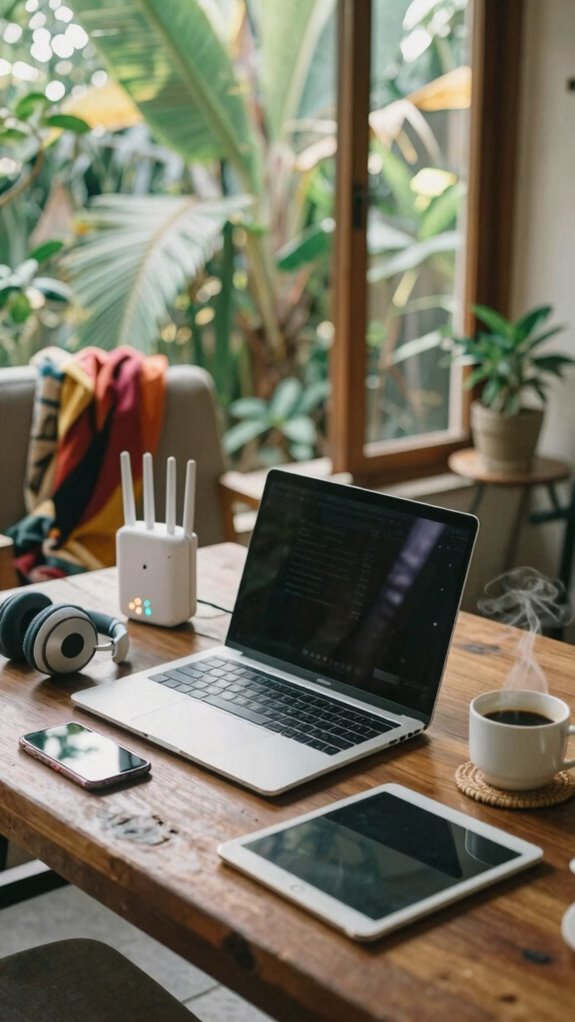
Keeping good records for your home office deduction isn’t just about avoiding headaches at tax time — it’s about turning yourself into the ultimate proof-gathering ninja. Think of it as your secret weapon, especially when outmaneuvering IRS auditors. You’ve got to track every digital receipt, screenshot, and copy like a modern-day hacker in Bali’s co-working scene. Use a slick app like Expensify or QuickBooks, and snap those receipts before you forget (or a stray coconut eats them). Log mileage with Drivewyze, and measure your space with a tape or some fancy digital tool. Incorporate long-range WiFi antennas into your workspace to ensure a reliable internet connection during extended work sessions, preventing interruptions when managing important records or communicating with tax professionals. Additionally, incorporating anti-fatigue floor mats into your workspace can boost comfort and safety during long work sessions.
What Expenses Can You Deduct for Your Home Office?
When you’re working remotely from Bali’s sunny co-working hubs, you quickly learn that claiming what you spend on your home office isn’t just about widening that tax deduction. It’s about forcing the IRS to recognize that your setup is legit.
So, what expenses can you actually deduct? Think rent, mortgage interest, utilities, and internet—stuff you pay monthly anyway.
But hold up—only the part used exclusively and regularly for your biz. Want to deduct your fancy ergonomic chair or that high-end monitor?
Measure the square footage of your workspace and compare it to your entire home. Example? If your home office is 10% of your place, then 10% of those bills are fair game.
No freeloading—just smart, strategic deductions. You’re not a cubicle drone, after all. Considering valid expenses, you can more confidently prepare your deductions and avoid potential audit pitfalls.
Also, consider how sound therapy apps can enhance your work-from-home routine and help you stay focused and relaxed during busy days.
How Can Mileage and Travel Boost Your Deduction?
Here’s the thing: if you’re clocking miles because your laptop takes you from Bali’s beachfront cafes to client meetings in Ubud, you can actually turn those road trips into a legit tax perk.
Think of each mile as a power move—working those lonely highways like a digital nomad with a purpose. You’re logging every trip, destination, purpose—basically building your own business travel résumé.
Use apps like MileIQ or Drivewyze, and don’t forget to note the date, start/end points, and why you’re even going—questionable errands don’t count, unfortunately.
For example, swinging by a coffee shop for Wi-Fi isn’t deductible, but a client meeting at that same spot? Totally fair game.
Channel your inner boss, keep a sharp log, and boost those deductions—ciao, cubicle life!
How to Deduct Health Insurance and Retirement Contributions

Thinking about deducting your health insurance and retirement contributions might feel like steering through a maze—confusing, full of rules, and easy to mess up. But hey, that’s what makes you the boss, right?
Navigating health and retirement deductions can be tricky, but mastering the rules makes you the ultimate boss.
As a Bali-based coding ninja, you can deduct 100% of health premiums if you’re self-employed—no sneaky W-2 restrictions here. Just keep receipts, and for retirement? Maximize your SEP-IRA or Solo 401(k).
Pro tip: calculate *precisely* what’s business use—say, your laptop purchase for telehealth sessions or your solo 401(k) contributions based on net earnings. Ignore the cubicle zombies who gawk at cloud-based dashboards—they’ll never cut through IRS red tape or find your hidden deductions like you can.
For added security, consider using top encrypted email services to keep your sensitive financial info protected while managing these deductions.
Once you master this, you’re not just working remotely—you’re winning remotely.
What Common Mistakes Should You Avoid?
Ever wonder if you’re accidentally shooting yourself in the foot with your remote work tax deductions? Like, did you overlook to verify that your Bali productivity palace truly qualifies as “exclusively” for business?
Don’t fall for the trap of mixing Netflix binge zone with your “office.” That blurs your claim and invites IRS scrutiny—trust me, they’re ruthless about “mixed-use.” In addition, using Top Lock Slot Adapters for Secure Bike Connectivity as an analogy, just as a lock slot adapter ensures security without compromising accessibility, keeping your deductions secure requires careful documentation and clear boundaries.
And let’s not talk about claiming your Wi-Fi bill without calculating what’s truly “business use” — guess what? That’s a red flag.
Keep in mind, the IRS isn’t your old boss giving you free passes. Keep those receipts, measure your space, and stay above board.
Otherwise, that fancy setup in Bali just becomes a missed deduction or worse—an audit waiting to happen.
In addition, be aware of clever hiding spots like Smart Hidden Book Safes that some try to use for keeping important documents secure, but don’t let a hidden safe create a false sense of security from the IRS.
Stay sharp, or you’ll be the one they’re roasting next year.
How Stay Up-To-Date With Tax Laws for Remote Workers?
Staying ahead of the curve on tax laws as a remote worker in Bali’s bustling co-working scene isn’t just about occasionally glancing at IRS updates or hoping your CPA knows their stuff. Nope, it’s about transforming into your own tax ninja.
Have you set up alerts from the IRS? Trust me, those email updates are like your secret spam filters—crucial.
Subscribe to trusted tax blogs like TurboTax or QuickBooks for the latest chaos.
Want to go pro? Join online forums or Facebook groups for digital nomads—think of it as your virtual water cooler, but with smarter gossip.
Want to avoid a surprise audit like Michael Scott avoiding Dunder Mifflin’s errors? Regularly review your deductions, receipts, and stay updated on law twists.
And don’t forget that top grammar checkers can help ensure your tax documents and communications are clear and professional.
Because, if you’re going to work from paradise, you better play the tax game right.
What Tools and Forms Help Maximize Your Deduction?

When it comes to squeezing every penny out of your taxes as a remote worker in Bali’s vibrant co-working scene, having the right tools can make or break your deductions—no kidding.
Think digital tape measures for precise square footage, because guessing just won’t cut it anymore.
Receipt management software like QuickBooks Self-Employed keeps your receipts organized—no more shoebox chaos. Improving your peripheral vision at your desk can help you stay alert and avoid missing important details like deductible expenses.
Mileage tracker apps such as Drivewyze log every business trip without manual fuss—trust me, those logs are your power move.
Tax prep platforms like TurboTax Self-Employed turn complex deductions into a clear game plan.
Recall that time your old boss scoffed at flexing tax skills? Out the window now.
Why not leverage these tools to dominate your tax game like the IT rebel you are?
Additionally, understanding how to measure office space accurately ensures your deductions reflect your actual expenses and maximize your savings.
Deducting Home Office Expenses
Cracking the code on deducting home office expenses isn’t as straightforward as just snapping a selfie with your Bali surfboard in the background. Sorry, cubicle dwellers—this game’s about precision.
You, the Sovereign Professional, can take advantage of your sleek, dedicated workspace. Think of it as your secret weapon—your “principal place of business” or a spot you meet clients regularly.
Want to use the simplified $5 per square foot method? Measure your setup—say, a 200 sq. ft. “Sith Temple” in your villa—and cap it at $1,500.
For actual expenses, calculate your “business use percentage”: maybe your rent, utilities, and Wi-Fi split 80/20. Then, multiply.
Torture the expenses that saw your high-performance kit get plugged in—because this isn’t just about saving money, it’s about crushing the game.
Essential Software Subscriptions
If you’re serious about keeping your remote hustle tight, your essential software subscriptions are your power tools—your digital Swiss Army knife, basically. Think of these as the secret weapons that make you more efficient, sharper, and way ahead of those trapped in cubicle hell. From project management to communication, each app is a piece of your empire. Want to collaborate seamlessly with clients across time zones? Use Slack or Zoom. Need to track time or expenses? Toggl or Expensify got your back. Here’s the cheat sheet:
| Platform | Purpose | Cost |
|---|---|---|
| Slack | Team communication | $8-$15/month |
| QuickBooks | Expenses & invoicing | $25-$70/month |
| Dropbox/Google Drive | File storage & sharing | Free-$20/month |
| Calendly | Scheduling meetings | Free-$15/month |
| Asana/Trello | Task/project management | Free-$24.99/month |
Your workspace’s power core? These. Additionally, understanding solid color blazers how branding and professional appearance can influence client trust can make a difference. Maintaining a professional digital presence and consistent branding can further enhance your credibility with clients and prospects.
Ergonomic Workspace Setup

Ever wonder why your back feels like a pretzel after a day in that vintage Ikea throne you call a desk? As Bali’s tech-savvy nomad, I’ve hacked my setup to dominate pain and boost power, and you can too. Ditch the junk—get an ergonomic adjustable desk, a solid monitor stand, and a whisper-quiet keyboard. Position your screen at eye level, so you’re not craning your neck like a tortoise. Invest in an ergonomic chair that actually supports your back—think lumbar mastery, not torture device. Use a footrest if your feet dangle—it’s a game changer. Keep in mind, your workspace isn’t a Pinterest mood board; it’s a command center. Make it sleek, functional, and fit for a Sovereign. Remember, ergonomic workspace setup can help prevent strain and injury—your body and bottom line will thank you. A well-thought-out work environment supports your productivity and aligns with your sovereignty as a professional remote worker.
Remote Work Tax Advantages
Thinking about hacking your tax game while enjoying Bali’s endless sunsets? As a tech whiz working remotely, you’ve got some serious advantages here. Unlike that soul-crushing W-2 grind, you can write off legit expenses—think rent, utilities, even that fancy new monitor you bought for your Bali setup.
Keep in mind those long days at the office, pretending to enjoy meetings? Nope, now you just log hours on your laptop, and the IRS might actually give you props if you keep solid records. Use tools like Expensify to track receipts and mileage. To stay compliant, it’s essential to keep detailed records of your expenses, especially when effective communication is limited in remote locations.
Want to win big? Claim a home office deduction or snatch up equipment as a business expense. Your old boss from the corporate grind? They’re stuck in the past. You? You’re riding the wave of strategic tax power, my friend. And don’t forget, improving your air quality can help boost your productivity and focus during those remote work marathons.
FAQ
Can W-2 Employees Claim a Home Office Deduction Federally?
Nope, W-2 employees can’t claim a home office deduction federally—thanks, TCJA!
Keep in mind that one time Jim from accounting tried, only to get shut down? To leverage deductions, you’d need to be self-employed.
Is There a Penalty for Overstating Business-Use of My Home?
Overstating your home’s business-use percentage? Big mistake.
The IRS sees a lavish 80% claim as a red flag—like presenting a pretend ‘office’ in Bali’s tropical paradise while working on your beach hammock.
They’re onto us.
Fudge numbers, and you risk an audit penalty—costing you money, dignity, and possibly security clearance.
Keep in mind, honesty keeps your remote empire thriving.
How Often Should I Review My Deduction Records?
You gotta review those records at least quarterly—yep, every three months. Think of it like updating your virus scan—keeps everything legit and warded against audit zombies. Check your receipts, square footage numbers, and mileage logs.
Recall that snack you bought for work? Was it really for the biz? Don’t be that guy scrambling last minute like Steve from accounting. Keep sharp, stay ahead; your “boss” in Bali demands excellence.
What if I Use My Workspace for Both Personal and Business?
Guess what? 60% of remote pros slide between personal and biz use — yeah, a hot mess.
When you use the same spot, parcel out actual workspace hours, total up your square footage, then split expenses pretty much like a savvy hacker. Don’t fudge this or Uncle Sam will call BS, dude.
Are State Tax Rules Different for Remote Workers’ Home Office Deductions?
Yep, state rules are pretty much their own wild card. Some states let W-2s claim home office deductions, unlike Uncle Sam’s federally.
So, if you’re chilling in Bali but still clocking into your old Midwest job, check your state’s tax regs—like California’s generous carve-outs or Texas’s more laissez-faire vibe. Don’t just wing it—consult local tax pros or your buddy down the street.
It’s like hacking your taxes, but legit.
References
- https://www.doola.com/blog/tax-deductions-for-remote-workers/
- https://getalphatax.com/blog/top-10-tax-deductions-digital-nomads-2026
- https://profitjets.com/blog/10-taxes-you-can-write-off-when-you-work-from-home/
- https://americanpacifictax.com/tax-strategies-for-remote-workers/
- https://www.youtube.com/watch?v=2dRUSsJo5lI
- https://discover.hubpages.com/money/Top-Tax-Write-Offs-and-Deductions-for-Freelance-and-Work-from-Home-Employees
- https://wpremotework.com/remote-jobs/blog/remote-work-tax-deductions/
- https://www.linkedin.com/posts/veriscpa_proactivecpa-homeoffice-taxseason2025-activity-7309210425835835392-k5WS
- https://www.melissasilbercpa.ca/blog/wfh-tax-deductions
- https://turbotax.intuit.com/tax-tips/jobs-and-career/tax-tips-for-employees-who-work-at-home/L5AinJbgn