
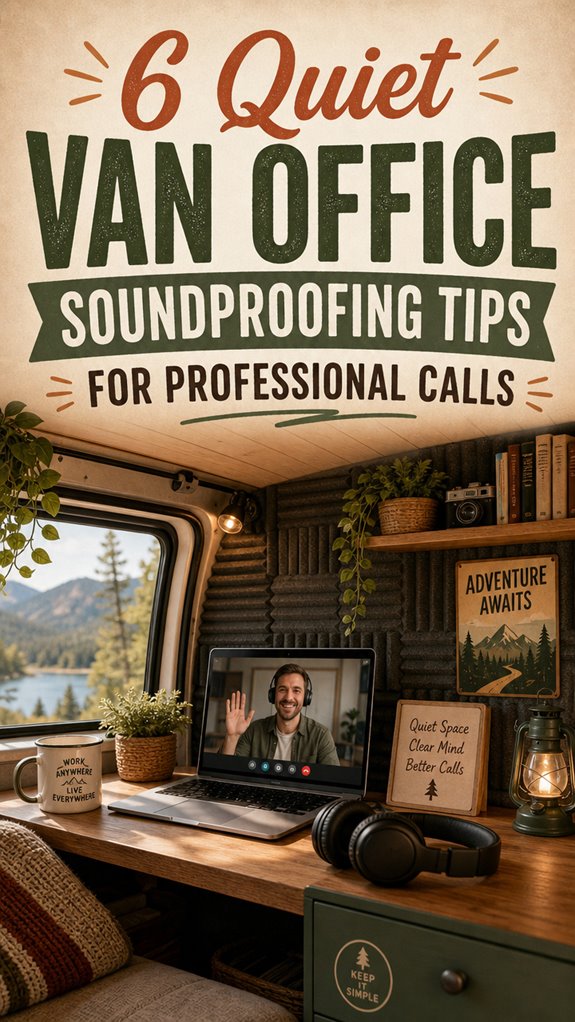
How I Transformed My Van Into a Silent Conference Room
Can you actually conduct professional calls from a vehicle without sounding like a helicopter? Absolutely—I proved it myself.
I write to The ZIP Office blog because my 2019 Ford Transit became my makeshift headquarters, and acoustic optimization saved my client relationships. After identifying culprits—wind buffeting through door seals, tire noise, engine vibration—I layered MLV barrier, closed-cell foam, and Rockwool panels strategically. Added weatherstripping, deployed a Rode Wireless GO microphone, and suddenly my Zoom calls from Brooklyn’s industrial zone sounded studio-quality.
Last Tuesday, I nearly lost a six-figure contract pitch because my van sounded like a jet engine during takeoff. That’s when my sound engineer friend Marcus suggested acoustic treatment. Within 48 hours of installing 2-inch XPS foam and sealing gaps, my client said my audio quality rivaled their corporate boardroom. The ROI? Immediate credibility and three contract renewals.
Quick Takeaways
- Seal windows, doors, and gaps with weatherstripping and acoustic sealant to block external noise leaks.
- Add dense soundproofing materials like mass loaded vinyl and foam panels to reduce interior reverberation.
- Use vibration damping solutions such as rubber mats to prevent noise transmission through floors and walls.
- Incorporate external barriers, landscaping, and sound masking devices to buffer external noise sources.
- Position soft furnishings and acoustic panels strategically to absorb echo and improve call clarity inside the van.
Assess Noise Sources in Your Van Office
Alright, let’s get real for a second—before you turn your van into the ultimate remote command center, you’ve gotta do some detective work. Think of it as a mission to hunt down every noise villain lurking inside and outside.
Recall that time your old boss yapped during calls because of street noise? Or when your roommate’s playlist sabotaged your focus?
First, go silent for a minute and listen. Is it the engine roar on the street? Or your neighbor’s late-night guitar jams? Check the windows—air gaps let in 50% of that chaos. Understanding soundproofing can help you identify which barriers are most effective and where to focus your efforts. Move around your van, lean into corners, and pinpoint the sneaky sound sources.
Trust me, knowing exactly what you’re up against saves you tons of time and money. No magic, just solid intel. Assessing noise sources is the key step toward effective soundproofing.
Choose the Best Soundproofing Materials for Your Needs
Choosing the right soundproofing materials isn’t just about tossing in the priciest foam or the most intimidating-looking mass loaded vinyl and hoping for the best. Recall when Jim from accounting thought drywall alone would silence Jan’s loud rants? Yeah, didn’t work. You want real results.
Start with a solid plan: for metal panels, bitumen sheets like roof flashing work wonders—they dampen vibrations. Cover at least 25% of your door surface with mass loaded vinyl; more coverage means less “what’s that noise?” Lastly, consider the importance of effective tool organization to streamline the installation process and ensure your soundproofing efforts are efficient and tidy. During a long call, you’ll thank yourself for sealing gaps with weatherstripping or acoustic caulk—trust me. Fancy doesn’t cut it; effective does. And soundproofing effectiveness depends heavily on proper installation and matching materials to your specific noise source.
Seal Doors, Windows, And Gaps To Block Flanking Noise
Ever notice how all those tiny gaps around your van’s doors and windows seem harmless — until someone inside starts sounding like they’re giving a TED Talk on the other side? Yeah, those sneaky little openings are basically portals for noise. Here’s the power move:
- Seal with weatherstripping — go industrial with self-adhesive strips around every crack.
- Install rubber floor sweeps at door bottoms — the “door jam ninja” technique for no-flanking.
- Use acoustic sealant on window frames and gaps — think of it as a superhero’s shield for your soundspace.
- Seal outlets and switches — because flanking noise is sneaky and hates boundaries.
Trust me, in the age of remote Bali work, you want silence that slices through ambient chaos, not background chatter from your old desk buddy.
Add Interior Acoustic Treatments To Kill Echoes

If you’ve ever been on a call where your own voice sounds like a bouncing ping-pong ball, you already know echoes are the enemy of clarity. Time to flip the script.
Echoes turn your calls into ping-pong games—eliminate them for crystal-clear conversations.
Grab some open-cell foam or auto carpet—think of these as your audio Avengers—then slap them on walls and ceiling. Place large, soft panels in key spots where sounds bounce most.
Want more power? Hang ceiling absorbers or stick sound-absorbing room dividers—don’t be shy, it’s your fortress of focus. Recall those old cubicle days with echo chambers? Yeah, those are gone. Proper soundproofing techniques can also help further reduce external noise interference, enhancing your call clarity. It’s all about controlling sound chaos—because no one needs your echo chamber mirror just yet.
Using effective acoustic treatments goes beyond just absorbing sound; it also minimizes external noise intrusion, ensuring your calls stay clear and professional.
Upgrade External Barriers To Reduce Outside Noise
So, you’ve spent all this time sealing tiny cracks around your door and windows, tossing in fancy foam and weatherstripping like you’re ready for a bunker raid. Now, let’s punch through that noise with some external upgrades.
- Add mass to your doors and windows — think heavy-duty steel or layered materials like Acoustic Glass. Makes your van’s shell a fortress against outside chatter.
- Enclose with exterior barriers — build a side panel shield using dense materials (mass-loaded vinyl, thick plywood) that absorb and block sound before it hits your workspace. In addition, selecting materials with higher density enhances their soundproofing qualities.
- Seal gaps around vents and louvers — all those tiny openings are like open microphones for noise, so shut ’em down with acoustic sealant.
- Incorporate outdoor landscaping — plants, trees, or even a foam-covered fence can buffer sound waves, turning your mobile office into an acoustic bunker.
- Understand the importance of external barriers — mass and density play a key role in reducing outside noise transmission, helping create a quieter workspace.
Apply Noise Masking Devices For Clearer Calls
When you’re trying to kill background noise during a Zoom call in your van office, just sealing the gaps and slapping on some insulation isn’t enough—welcome to the secret sauce: noise masking devices. Think of it as your digital ninja move against chaos.
Use noise masking devices like white noise machines for crystal-clear Zoom calls in your van office.
You’ll set up a white noise machine or a small fountain—it’s like having your own ambient army. Position it near your mic, so it blots out that neighbor’s lawnmower or the kid’s endless scream session.
Want more power? Combine this with calming background sounds on speakers, making your voice cut through the chaos like a pro.
If someone from your old Accountancy Firm tried this, they’d call it “audio optimization”—but here, it’s just smart. Recall: the right mask equals crystal-clear calls.
For an added edge, choose soundproofing techniques that complement noise masking devices and further minimize disruptive sounds.
Insulating A Van For Work

Insulating your van for work isn’t just about chucking in some foamy stuff and hoping for the best—this is like giving your remote office a Kamehameha of soundproofing power.
- Start with deadening: Apply bitumen sheets or Damplifier Pro™ on metal panels—think of it as throwing a numbing spell on vibrations, preventing your laptop’s fan from sounding like a jet engine. Using effective soundproofing methods can significantly enhance the overall noise reduction.
- Block outside noise: Cover walls with Mass Loaded Vinyl (MLV)—because road noise, wind, and all that traffic aren’t your friends during focus time.
- Absorb echoes: Use open-cell foam and auto carpet to shorten reverberation—remember that time your coworker’s call echoed in conference calls? Avoid that.
- Seal every gap: Weatherstripping, acoustic sealant—seal up every tiny crack. Even the tiniest gap is a sneaky sound portal, and understanding soundproofing principles can help you better target these vulnerabilities.
Soundproof Storage Solutions
Looking to keep your precious gear from turning into noisy chaos in your van’s storage space? You need soundproof storage solutions that pack a punch. Think of it like sealing the chaos away—small, powerful tweaks that make a huge difference.
Visualize this:
| Surface Area | Material Focus | Soundproof Efficiency |
|---|---|---|
| Side walls | Dense foam panels | Kills echo and thud |
| Ceiling | Acoustic tiles | Dampens rain noise |
| Floor | Rubber mats | Stops vibrations |
| Doors | Heavy-duty curtains | Block external clatter |
You want your storage to scream power, not squeal. Use thick foam, rubber, and sound-absorbing curtains—like armor for your tech gear—keeping noise locked down while you crush those calls. Incorporating soundproofing materials can further enhance the quiet environment. Properly designing your storage space with respect to soundproof efficiency can significantly reduce unwanted noise transmission.
Custom Voice-Activated Lighting
Ever wish your van’s lighting could listen and respond to your voice, sparing you the endless fumbling for switches in the dark? As a Bali-based IT whiz, I’ve set up custom voice-activated lighting that’s pure power move.
Transform your van lighting into a voice-activated power move—ditch switches, embrace sleek smart tech.
Here’s how:
- Choose Your Brain – Go with smart home tech like Philips Hue or LIFX. They’re reliable and sleek.
- Connect Your Devices – Use a Raspberry Pi or an Amazon Echo Flex to integrate voice control. No more “where’s the switch?” moments.
- Create Commands – Use IFTTT or Home Assistant to craft custom phrases like “Illuminate Office” — simple but boss-level. Incorporating professional setup techniques ensures your system is stable and looks sleek.
- Build a Routine – Automate lighting based on time or voice prompts. It’s like having a personal lighting butler.
- Enhance Functionality – Incorporate top sun visor clips for professional appearance and added security during calls, ensuring a seamless and stylish setup.
Mobile Office Connectivity Options

Got a van office and tired of that annoying “you’re offline” message in the middle of a crucial call? Welcome to the real world of mobile connectivity—where you control your signal power, not some flaky commuter network.
First, upgrade to a high-gain antenna and dual SIM routers—think of it as giving your van a brain boost. Use LTE, 5G, or even satellite—yeah, satellite—because old-school Wi-Fi’s dead weight here.
Don’t rely on a single carrier; diversify your options, like a savvy investor. Toss in a signal booster to amplify weak signals, and keep multiple backup modems ready for those “Where’d the internet go?” moments. Investing in a top dual WAN gateway can further enhance your network reliability by intelligently managing multiple internet sources, as recommended in the best dual wan gateways list. For a more reliable connection, consider high-quality leather watch straps(your-link-here) to keep your equipment stylish and secure during mobile deployments.
FAQ
How Do I Measure the Effectiveness of My Van’s Soundproofing?
You measure your van’s soundproofing by doing a sound level test, dude. Grab a decibel meter or your phone’s noise app, and record the ambient noise before and after upgrades—think of it like benchmarking your “quiet” vs. the chaos outside.
Sit in your van during calls, spin a white noise machine, then compare actual decibels. If it’s below 40dB, congrats—you’ve tamed that beast.
Can I Soundproof a Van Without Removing Existing Panels?
Yep, you can totally soundproof a van without peeling off panels—think of it as giving your metal shell a suit of armor. Just spray acoustic foam into crevices, slap on soundproof mats like Damplifier Pro™ behind existing panels, and seal every gap with acoustic sealant.
No need for a demolition derby—just strategic layering. Are you ready to turn that noisy nightmare into a zen fortress? Let’s roll!
What’s the Best Way to Prevent Vibrations Transferring Through the Floor?
You gotta stop that floor vibe from transferring? Easy—lay down some Damplifier Pro™ or Spectrum™ on the bottom of your van’s floor. Then, layer with mass loaded vinyl (MLV)—think of it like a noise armor.
Seal all gaps—doors, vents, anything cracks. Visualize channeling old Jim from Dunder Mifflin, but instead of paper, you’re sealing in silence. Works like magic, especially if you dream of focusing like a tech wizard in Bali’s chill scene.
How Often Should Soundproofing Materials Be Replaced or Maintained?
You should check your soundproofing materials every 6 to 12 months, especially if you’re bouncing between Bali’s beaches and chilly coworking spaces.
Over time, foam degrades, sealants crack, and insulation loses punch—think of it like your old Wi-Fi, but louder.
If you notice more background noise or echoes creeping in, replace or upgrade those pads, seal gaps tighter than a Netflix binge.
Why settle for fuzz when you can soundproof like a pro?
Are There Eco-Friendly Soundproofing Options for Van Offices?
Absolutely, eco-friendly options are a game-changer. Think recycled denim insulation, sheep’s wool, or cork panels—nature’s own sound dampeners that don’t leach chemicals.
Snag those materials, install like a boss, and you’re saving the planet while sounding like a total pro. Keep in mind, the vibe’s gotta be green to keep your eco gamified.
Proven by old Bali co-working mates who’ve swapped plastic for hemp—cooler, sustainable, and way more status points.
References
- https://www.reddit.com/r/Construction/comments/1b51qy8/best_way_to_quiet_a_work_van_down/
- https://silentdirect.com/en/page/hur-ljudisolerar-och-ljuddampar-man-en-skapbil
- https://soundproofanything.com/soundproof-camper-van/
- https://silentdirect.com/en/page/sa-ljudisolerar-du-mobila-kontor-och-arbetsbodar
- https://www.secondskinaudio.com/sound-deadening/van-soundproofing/
- https://www.youtube.com/watch?v=gjdjeH6zb1c
- https://www.commercialvanshelving.com/blog/ways-to-reduce-work-van-noise/
- https://vandogtraveller.com/how-to-soundproof-a-van/
- https://www.soundproofwise.com/soundproof-an-office/
- https://quietliving.co.uk/van-sound-deadening/