Why Your Physical Documents Are a Data Breach Waiting to Happen
How do remote workers protect sensitive paperwork from corporate espionage? They stop treating shredding like an afterthought.
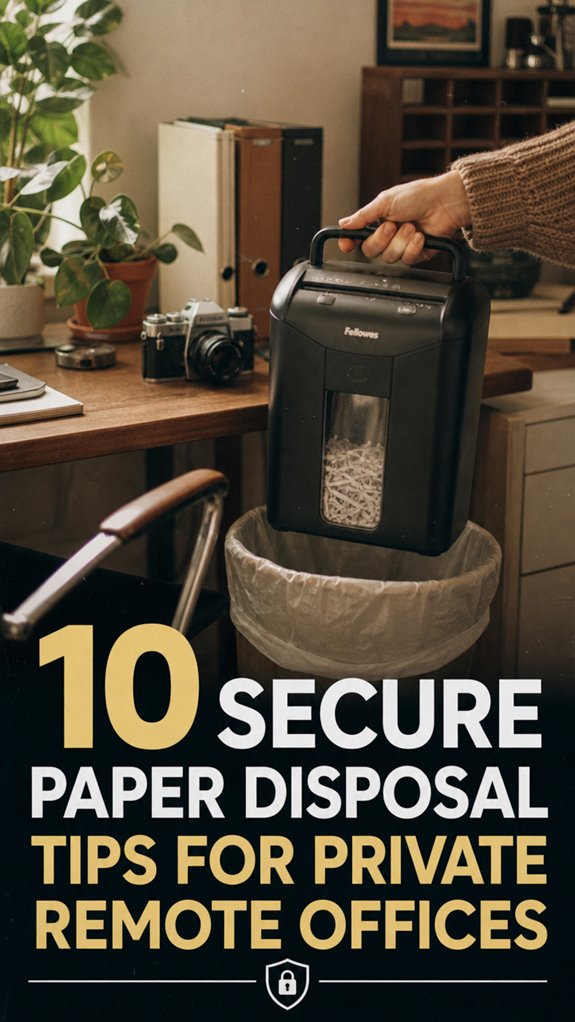
I write to The ZIP Office because document security haunts most home offices. Last Tuesday, I discovered a former colleague’s tax returns in my recycling bin—unshredded. That’s when I invested in a cross-cut shredder, fireproof storage, and implemented a biweekly purge protocol. Portable shredders now sit beside my workspace. GDPR violations aren’t theoretical anymore.
Last month, my neighbor Marcus found confidential contracts in their shared dumpster. We collaborated with a certified document destruction service—$45 monthly. Now our Jakarta coworking pod maintains labeled filing systems with monthly destruction schedules. Small investment. Massive liability reduction.
Quick Takeaways
- Use cross-cut or micro-cut shredders for high-security disposal of confidential documents.
- Regularly clean and maintain shredders to prevent jams and prolong lifespan.
- Store sensitive papers securely in labeled, fireproof containers before disposal.
- Partner with certified shredding services for secure, hassle-free document destruction.
- Shred sensitive digital files with encryption and securely delete obsolete digital data.
Why Secure Paper Disposal Is Critical for Remote Work Privacy
Ever wonder why your paper bits still matter in this digital world? Well, as an IT pro hacking away from Bali’s vibrant co-working scene, I’ll tell you—they matter a lot.
Think about data privacy. Your old project notes, confidential client info, or that ‘top secret’ HR memo aren’t just clutter; they’re liabilities if mishandled. Recall that time your boss left a folder on your desk? Yeah, not supposed to happen anymore.
Confidentiality agreements? They’re binding—for you and your remote team. Secure disposal isn’t just tossing in the trash; it’s about blocking snoopers from resurrecting your old files. Proper paper disposal techniques safeguard sensitive information from potential breaches. Plus, understanding how to secure paper disposal ensures your confidential documents are destroyed effectively, reducing the risk of data recovery by unauthorized parties.
If you wanna stay free and avoid lawsuits or embarrassing leaks, treat paper like digital data—lock it down, destroy it properly, and keep your remote work legit.
Nobody’s got time for preventable messes.
Recognize Sensitive Documents That Must Be Disposed Of Securely
When you’re tidying up your home office (or pretending to be zen while your cat’s chasing your keyboard), you gotta know which documents are actual fire hazards. Those legal documents, confidential data, and anything with personal ID? Yeah, those need secure disposal. Think about old bank statements, tax papers, or legal contracts—stuff that, if leaked, could ruin your day or, worse, your reputation. Here’s the deal:
| Sensitive Docs | How to Handle |
|---|---|
| Legal documents | Shred immediately, no excuses. |
| Confidential data | Secure bin or professional disposal service. |
| Personal info (SSN, bank) | Destroy with cross-cut shredder. |
Old colleagues and bosses? They’d tell you, “Keep it secret, keep it safe.” Don’t leave your privacy to chance. Remember, creating strong and unique passwords is just as crucial for protecting digital privacy as securely disposing of paper documents. Additionally, understanding sensitive information can help prevent accidental leaks and ensure you handle all confidential materials properly.
Create a Clear Paper Disposal Policy for Your Home Office

Even if you’re miles away from a fancy corporate office—say, nestled in Bali’s breezy co-working scene—you still need a game plan for paper chaos. Trust me, I’ve seen what happens when papers pile up, and it’s not pretty. Create a clear paper disposal policy, outlining when to recycle, shred, or toss documents.
Use document labeling to keep track—you don’t want your old tax returns mingling with your latest Bali jungle photos! Incorporate easy-to-follow rules for paper recycling to save the planet and keep your space clutter-free.
Recall, it’s not about suffocating your freedom; it’s about making sure sensitive stuff stays private and your digital nomad life remains sweet. Trust me, your old boss would’d love to see you finally organize that chaotic paper mess! For optimal security, consider best hair styling wax options to keep your look sharp during busy workdays.
Choose the Best Secure Paper Shredders and Disposal Methods
Let’s be honest—if you’re serious about safeguarding your digital nomad life, you need a solid plan for shredding and disposing of sensitive documents. Choosing the right secure paper shredder is key, especially when environmental impact matters. Modern shredding technology is smarter, quieter, and more eco-friendly—no more old-school machines that guzzle energy.
Here’s the scoop:
| Shredder Type | Eco-Features | Security Level |
|---|---|---|
| Cross-cut | Low energy, recyclable waste | High (confidential junk) |
| Micro-cut | Minimal waste, energy-efficient | Very high (bank statements) |
| Strip-cut | Basic shred, less eco-conscious | Low |
Old boss? He’d likely prefer the cheapest shredder, but you? You’re upgrading for freedom and sustainability.
And remember, choosing a shredder with eco-features can help reduce your carbon footprint while keeping your sensitive information secure.
Use Certified Shredding Services for Extra Security

Switching gears from DIY shredders to the pros is one of the best moves you can make for real security—think of it as leveling up from amateur hacking to top-tier encryption.
When you want your private info to stay private, certified shredding and disposal services are your new best friends. Why mess around with questionable methods when the pros handle it? They follow strict standards, so your sensitive papers are truly gone.
Consider these perks:
- Access to certified shredding, meaning absolute confidence in data destruction
- Convenience and speed—no more hauling bags to the dumpster like a rebel
- Peace of mind knowing your info’s in expert hands
Trust me, isn’t freedom from stress worth it? No more mailbox embarrassments or data leaks.
Store Sensitive Papers Safely Before Disposing
Certainly! Here’s the modified text with the specified adjustments:
—
Picture this: you’ve just finished your work, high fives all around. Then you toss a stack of sensitive papers—bank statements, client info, those hectic tax docs—straight into the trash. Dangerous move, right? Instead, use smart paper storage—maybe a sleek fireproof box or labeled folders tucked away in your home office.
Keep your document organization game tight: separate personal from work stuff, label everything clearly, and stash those papers in a cool, secure spot. Think about this: would old Jim from Scranton just toss those docs without a second thought? Probably not. Being mindful about secure paper disposal is essential to protect your private information and prevent identity theft.
Additionally, consider implementing professional online security when managing digital copies of these documents to ensure comprehensive privacy.
—
Let me know if you’d like further adjustments!
Avoid Common Mistakes That Jeopardize Your Paper Security
Ever wonder how one tiny slip-up can turn your smooth paper disposal plan into a total disaster? I’ve seen it happen—people forget that paper security isn’t just about shredding, it’s about avoiding disposal hazards. Think about leaving sensitive docs in an open trash bin—hello, identity theft! Or tossing unshredded papers into recyclables—such as old tax returns or private memos—massive mistake.
And don’t even get me started on rushing disposal; actionable tip? Always double-check those documents before discarding.
- Leaving confidential prints out in the open
- Rushing the shredding process (yes, it matters)
- Mixing sensitive papers with your regular trash
Your freedom depends on smarter moves—shield those papers like they’re your VIP tickets to Bali. Effective tips to relieve back pain while working can help, too, by keeping you comfortable and focused during the day.
Combine Paper and Digital Disposal for Maximum Privacy
While you might think tossing paper and deleting files are separate fires to put out, they’re really more like your unique tag-team—fighting against potential privacy leaks. Trust me, I’ve seen remote offices waste hours digital archiving junk just to keep “safety” in check, while tossing shredded receipts into the recycling bin like some kind of victory dance.
Here’s the trick: *combine* your paper recycling with digital de-cluttering. First, shred sensitive documents and then toss them into your recycling bin—no gray area. Incorporating secure disposal methods can further enhance your privacy measures. For digital, delete obsolete files securely—use encrypted deletion tools if you want to flex your privacy muscles. Keep this combo in mind, because old colleague Dave’s “lost” files show even tech whiz mistakes can cost tons. And don’t forget, thermal foil blankets are also key tools in emergency preparedness, protecting you from extreme conditions if needed.
Privacy’s freedom, buddy—embrace it!
Maintain Your Disposal Equipment to Keep It Effective
Here’s the trick: keep your disposal equipment in top shape, just like your office decor and ergonomic furniture.
- Regularly clean blades; dust and paper shreds build up faster than your boss’s bad jokes.
- Check the motor; nothing says “dead device” like a burn smell during a security mess-up.
- Use the right paper options—no tangled messes when you pick the proper shredder settings.
- Proper maintenance helps extend the lifespan of your shredder and ensures reliable performance.
Trust me, when your shredder hums smoothly, it’s like freeing yourself from the cubicle cage. Freedom feels good, right?
Train Your Remote Team on Secure Paper Disposal Practices
If you think training your remote team on secure paper disposal is just about handing out a vague “be careful” memo, think again—this isn’t your typical office safety spiel. Remote staff training needs to be clear, engaging, and practical. You want everyone to understand disposal protocols without turning it into a snooze-fest. Envision this:
| Action | Tip |
|---|---|
| Shred before disposal | Don’t toss sensitive docs straight into the bin. Shred everything first. |
| Use designated bins | Clear, labeled containers for paper waste only. No mixed messes. |
| Regular reminders | Keep the importance fresh—share quick tips weekly. |
| Avoid piling up | Trash piles are temptations for leaks. Stay on top. Additionally, providing secure storage solutions can help prevent accumulation. |
| Confirm disposal | Make sure papers are securely shredded or disposed of properly. |
Additionally, incorporating top folding chair cushions into your workspace can help create a more comfortable environment, encouraging attentiveness during training sessions.
Shredding Sensitive Physical Documents
Handling sensitive documents isn’t just about tossing them in the trash and hoping for the best—trust me, your old boss from the cubicle farm would be rolling in his fluorescent-lit grave. So, shred that paper like a pro! Here’s the game plan:
- Use a cross-cut shredder—it does ninja-level damage, making it nearly impossible to piece everything back together.
- Implement recycling procedures that involve separating paper by color coding—pink for financials, blue for legal, etc., so nothing leaks through accidentally.
- Secure storage until shredding, then toss the shredded bits into tamper-proof bins. Keyboard shortcut skins can help you streamline your digital workflows to keep data management quick and efficient.
And for added protection, consider installing top door security bars to prevent unauthorized access during sensitive disposal activities.
Privacy Shields for remote working
Envision this: you’re bartending your laptop at a Bali co-working space, surrounded by waves and coconut scent, and suddenly realize—risky open Wi-Fi and nosy neighbors are your biggest enemies now. That’s where privacy shields come in. These are your confidential barriers, helping you create an invisible wall around your screen.
Think of privacy filters on your laptop—they block onlookers from sneaking peeks, even if they’re inches away. Plus, portable monitor covers or foldable privacy screens turn your device into a fortress. For added security, consider lock slot adapters to physically secure your device from theft. Additionally, understanding the best center console trays can help you organize your workspace more effectively and keep sensitive documents out of sight.
Ensure Confidential Shredding Supplies
When you’re juggling confidential documents in your Bali co-working paradise, tossing them into the trash isn’t cutting it anymore—trust me, that’s the rookie move I made years ago when I still thought shredding was optional.
Enter *confidential shredding supplies*. You want to lock down those sensitive bits with the kind of security your digital projects demand—think document encryption and confidential storage.
Here’s what you absolutely need:
- Industrial-grade shredders (NOT that flimsy home-model, unless you like living dangerously)
- Secure shred bins—tamper-proof and clearly labeled
- Spare blades and maintenance tools—because even shredders get tired or clogged
Portable Document Shredder Tools
Ever tried tossing that sketchy client contract into the same trash as your snack wrappers? Yeah, not so smart. That’s where portable document shredder tools come in — your secret weapon for legit security on the go. These tiny tech bad boys easily fit in your tech pouch and can obliterate sensitive info faster than you can say “recycling codes.” Trust me, no one loves a paper trail — especially when document archiving is key, but you’re also trying to keep it eco-friendly.
Think of it like a mini, mobile nuclear reactor for your paper debris. Plus, using a shredder can help you avoid dumpster divers and keep your reputation squeaky. In the era of digital and physical security best practices, maintaining physical document security remains crucial.
Keep in mind: security isn’t just about digital firewalls anymore — it’s about shredding smart, wherever you roam.
And, embracing the Cloffice trend can help you adapt your work space to these smart, security-conscious practices.
Secure Online File Encryption
Have you ever tried zipping a file, only to realize that anyone can sneak a peek if you don’t shield it properly? Yeah, digital watermarking and encryption protocols are your new best friends for online safety.
When working from Bali’s co-working scene, you gotta be smarter than that snoopy accountant back at the office.
- Use encryption protocols like AES-256, which is basically Fort Knox for your data.
- Implement digital watermarking to prove your digital ‘property lines’ aren’t crossed without permission.
- Securely store your encrypted files on cloud services with two-factor authentication — because what’s the point of freedom if some hacker ruins your flow?
Old colleagues might’ve trusted the shared drive, but you’re onto the secrets of true sovereignty. Do it right.
FAQ
How Often Should I Shred or Dispose of Sensitive Documents in a Remote Office?
You should shred sensitive documents immediately after use or at least follow a strict shredding schedule—think weekly or bi-weekly—based on your document management needs.
Recall your old boss Jimmy’s nagging about clutter? Now’s your chance to outsmart the chaos. Keep your files lean; don’t wait for the “perfect” moment.
With clear routines, you’ll enjoy the freedom of a clean desk—and less risk of a data disaster.
What Are the Legal Requirements for Document Disposal in Remote Work Settings?
You gotta follow the law, but let’s be real—that’s just the starting line. Remote document retention rules demand you keep sensitive data for a set time—think legal, financial, health info—and then shred or delete.
Confidentiality policies? Make sure they’re clear, cover disposal procedures, and quick-shift your old docs to secure bins or encrypted cloud.
Recall that time your boss left sensitive files on a beach? Yeah, don’t be that guy. Stay sharp!
Can Digital Encryption Replace Physical Document Shredding Entirely?
Digital encryption can be a legit game-changer, but you can’t toss paper shredding entirely. It’s like relying solely on a VPN and ignoring your old dusty filing cabinet—risky.
Encryption defends data in transit, but physical documents? They need shredding, especially for sensitive stuff.
Keep in mind Bob from my old startup? He thought digital was enough—until a hacked email revealed some paper trails.
Stay smart, shred when needed, encrypt like a boss.
How Do I Verify the Security of a Shredding Service?
You verify a shredding service’s security by checking their confidential document handling protocols—think certified audits, chain-of-custody, and disposal methods.
Ask for proof like NAID certification or background checks. Keep in mind that old boss who said ‘trust, but verify’? Well, it’s true here.
Don’t just settle for a “trust us” vibe. Have they burned old memos responsibly?
If they hesitate, run faster than Michael Scott when quality’s on the line.
What Are the Signs of Inadequate Paper Security in My Remote Office?
You know that sinking feeling when your secret snack stash vanishes? That’s small compared to what inadequate paper security can unleash—think paper theft and data breaches on steroids.
If your shredded docs aren’t thoroughly destroyed, or if anyone can access your “private” files, you’re asking for trouble. Think about old boss’s legendary paper trail—don’t let it be your downfall.
Regularly shred confidential stuff, check disposal methods, and stay vigilant.