Why I Ditched the Office Grid For Solar-Powered Freedom
I left my cubicle in March 2024 when my laptop died during a Zoom call. That’s when I realized I’d spent three years tethered to fluorescent lights and unreliable outlets.
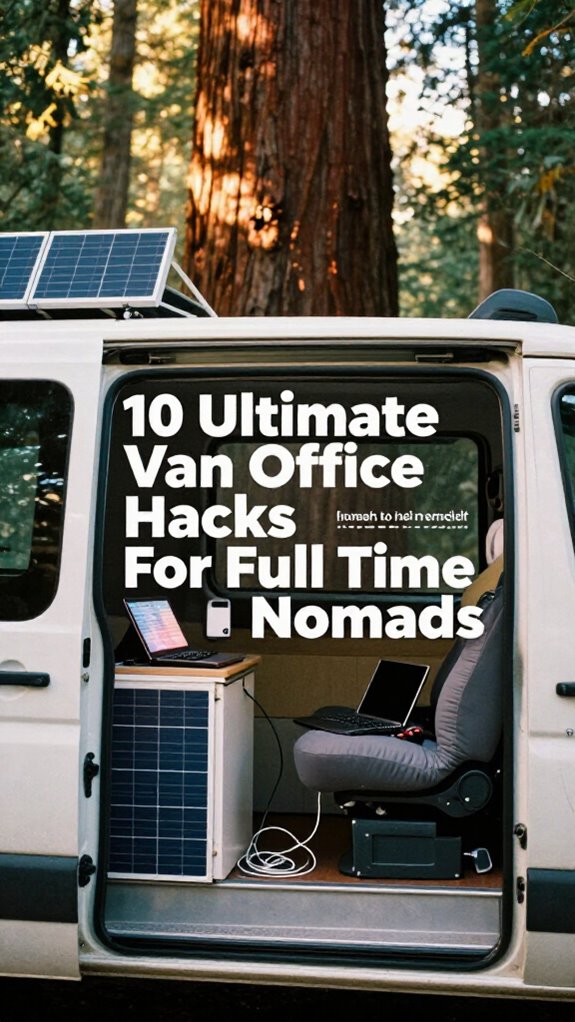
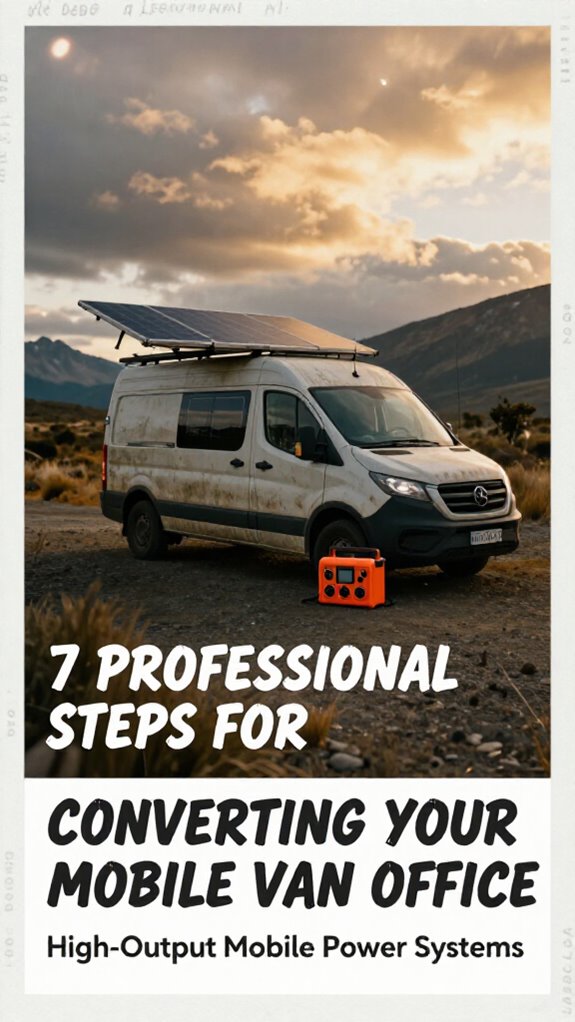
I’m writing this to The ZIP Office because remote work demands infrastructure most people overlook. I’ve tested the Jackery 1000 and EcoFlow River 2 across three continents. The math works: $2,400 upfront beats monthly office rent. I paired 250W monocrystalline panels with a 1500W pure sine wave inverter. My ARM laptop runs eight hours on solar alone. GaN chargers cut charging time by 40% compared to traditional power strips. Geographic arbitrage became possible once I owned my energy. Starlink Mini eliminated airport outlet dependency.
Last summer, my eight-year-old watched me install those solar panels on our Montana cabin. He asked why daddy’s office didn’t have a cord. I told him we were building our own power. Now he checks the weather app before my work calls—he’s already thinking like a systems operator.
Quick Takeaways
- Solar generators with built-in inverters provide silent, portable power for laptops and devices in remote locations.
- Portable power stations (500–1000Wh) reliably charge electronics and support full remote work setups off-grid.
- Modular solar panels paired with power stations enable unlimited runtime through daily sunlight recharging.
- Car power inverters convert vehicle power to clean AC, supporting sensitive electronics during mobile work.
- Satellite internet with rugged hardware ensures secure, reliable connectivity in off-grid environments.
Solar Generators With Built-In Inverters
If you’re still paying for a parking pass just to sit under fluorescent lights and fake smile at a manager who thinks “synergy” is a real word, let me stop you right there—welcome to 2026, where your office fits in a backpack and your power source doesn’t care if Karen from HR unplugs it.
You want *real* geographic arbitrage? Then dump the gas-guzzler generator. Solar generators with built-in inverters are your silent co-pilot in Bali’s jungle or a Utah canyon. No more hunting outlets or dealing with spliced cables—*inverter compatibility* is baked in.
My station runs my laptop, ring light, and espresso maker—yes, I still drink like Dwight at 8 a.m., but now with solar efficiency above 23%.
You think Jim cared about power drops? Neither do I. Just plug, work, and laugh at the cubicle dwellers frying their retinas under Office-style fluorescents. This isn’t camping—it’s healing infrastructure with Wi-Fi.
Additionally, power management features in modern solar generators ensure your devices are protected from voltage fluctuations.
Top Portable Power Stations for Laptop Charging
You’re not still juicing your laptop off some sketchy airport outlet, are you?
Please. We’ve got geographic arbitrage now—why chain yourself to dying wall sockets? I’m sipping coconut water in Uluwatu, and my Jackery 1000 keeps my MacBook Pro humming while my ergonomic accessories stay charged. No more “The Office”-style panic when the outlet near reception dies mid-Zoom. That was my life pre–workplace redesign.
Top portable power stations? EcoFlow River 2—silent, fast-recharging, slips right into your Gridless Kit.
Anker 757 PowerHouse? Overkill, unless your healing infrastructure includes a mini-fridge. Stick to 500–1000Wh rigs. Pair with a GaN charger—no brick, all juice.
Seriously, cubicle-dwellers back at HQ would lose it knowing I run a full edtech stack from a surf shack. Your laptop’s only as free as its power source—own it.
Pair Solar Panels With Power Stations for Unlimited Runtime
While the cubicle drones are still fighting over who stole whose lunch from the communal fridge — seriously, did Karen from accounting never learn? — out here in the Wide Open zones, we’re stacking sunlight like it’s crypto. You pair modular solar panels with your portable power station, and boom — hybrid energy = unlimited runtime. No more hunting outlets like a digital nomad in panic mode.
- Plug panels into your station during morning coffee (yes, while The Office reruns play ironically)
- Let the sun recharge your battery stack passively — set it and forget it
- Scale power intake with modular solar like you’re upgrading RAM
- Run laptops, lights, and even your mini-fridge off-grid all day
- Incorporate solar panel briefcases for flexible, portable power solutions that fit your adventure needs
This isn’t backup power — it’s reliable off-grid infrastructure. While Dwight screams about beets, you’re thriving off-grid in Bali, powered by light and pure geographic arbitrage. Now that’s healing infrastructure.
Car Power Inverters for Mobile Workstations
Envision this: you’re parked on a cliff above Uluwatu, salt breeze in your hair, laptop booted up, and your car’s humming louder than Kevin’s famous chili—but instead of burning spreadsheets, you’re burning diesel into *geographic arbitrage*. Your car isn’t just transport—it’s your mobile workstation, your healing infrastructure.
Salt spray in your hair, engine thrumming like a meditating monk—your car’s not parked, it’s *working*, turning diesel into dreams and cliffs into corner offices.
A 1500W pure sine wave inverter? Non-negotiable. It converts DC to clean AC power so your MacBook Pro doesn’t freak out. But hey—don’t just plug in and pray.
Slap on a battery monitor; you don’t want your engine dead at 3 a.m. like Jim’s prank gone wrong. Smart power management keeps your alternator happy and your session live. Proper power management] is essential to optimizing your energy use and prolonging your rig’s operational capabilities.
And for vehicle security, use a locked fuse box and steering wheel lock—because no amount of edge-AI helps if your rig gets jacked. Trust me, Dwight, this beats a cubicle.
Consider power storage options like a dedicated deep-cycle battery to ensure a reliable energy reserve during extended off-grid work sessions.
Satellite Hotspots for Zero-Grid Zones
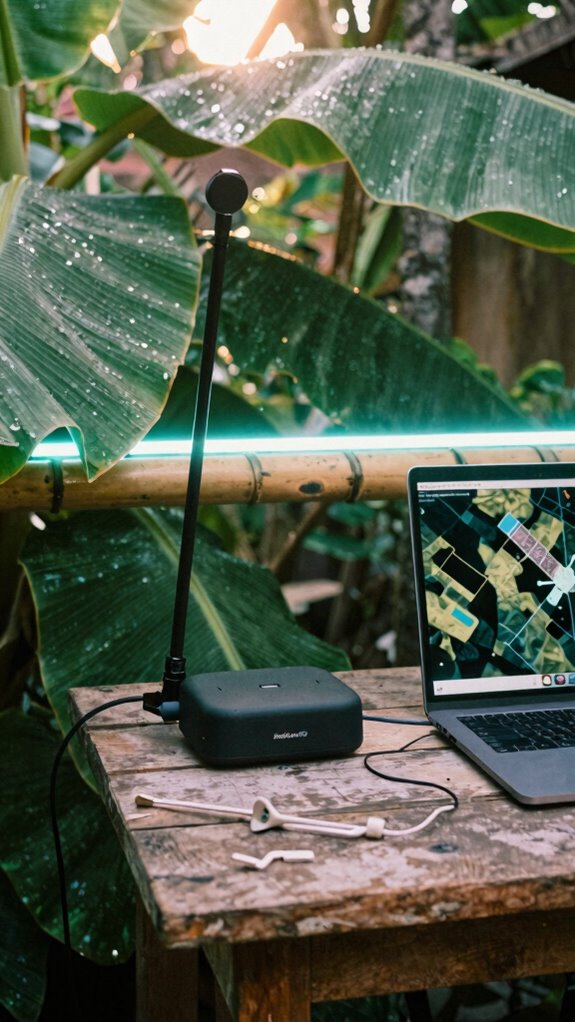
You’ve got your car juiced up with a pure sine wave inverter, your coffee’s still warm, and your laptop’s pulling down spreadsheets from the edge of the island—congrats, you’re already winning at geographic arbitrage harder than Jim ever did from behind his Dunder Mifflin desk. But let’s get real: without satellite hotspots, you’re just a fancy paperweight in the wild.
When cellular towers ghost you, these bad boys keep your signal security tight and deliver rock-solid satellite stability.
- Starlink Mini for instant setup in monsoons
- Iridium GO! when you’re truly off-grid
- Always pack a portable yagi antenna
- Use VPNs + TOR for military-grade encryption
- Don’t forget to consider adhesive LED strip lights for versatile lighting to enhance your off-grid setup and ambiance.
- To maximize your connectivity, consider leveraging satellite communication systems that are designed specifically for remote environments and often include ruggedized hardware for durability.
Remember Brian from accounting? Still waiting for Wi-Fi in Scranton. Meanwhile, you’re closing Q3 deals under palm trees.
Emergency Hand-Crank Chargers for Blackouts
When the jungle rains knock out the grid and your laptop’s down to 3%, your satellite hotspot’s useless without juice—so yeah, that’s when you’ll actually thank your past self for not being a total crypto-bro and actually packing a hand-crank charger instead of another overpriced NFT.
Emergency preparedness isn’t just for preppers; it’s core to blackout resilience in the Sovereign Professional stack. You ever try explaining “hand power” to your old boss from *The Office*? Yeah, good luck with that.
But when Typhoon Larry hit Bali and every café turned into a dark, overpriced lounge, my little $35 crank charger kept my invoices flowing. 400 cranks = one full phone charge—annoying? Sure. Humbling? Absolutely.
And remember, off-grid power solutions are essential for maintaining your digital workflow in unpredictable environments. But it’s healing infrastructure for your digital life. Pair it with a solar pillow and you’ve got redundancy, baby. Think of it as your energy backup for when the grid flexes its weakness.
Skip the heroics—just pack the damn crank.
All-Weather Wind + Solar Combos
Back in the day, when you were still clocking in for Dwight’s cousin or whatever sad Slack channel your old boss micromanaged from, you didn’t have to worry about blackouts—someone else paid the electric bill.
Now? You’re out here chasing geographic arbitrage like a solar-powered hero.
All-weather wind + solar combos? Non-negotiable.
- Pair high wind efficiency blades with monocrystall 250W panels for 24/7 harvesting
- Use corrosion-resistant, weatherproof mounting to survive monsoons (or Karen’s passive-aggressive office AC)
- Angle turbines into prevailing coastal gusts—Bali teaches you fast or not at all
- Sync charge controllers to auto-switch between wind/solar before storms hit
To ensure reliable power, integrating privacy-focused browsers in your setup can help secure your data during online activities, especially in remote areas.
You think Dwight’s beet farm had backup power? Nah. But you’ve got healing infrastructure. Since energy resilience is crucial for remote operations, incorporating diversified sources enhances your system’s durability.
You’re not camping—you’re commandering
Now go harvest some typhoon juice.
Fast-Charge Battery Banks for Daily Use
While your old boss was still micromanaging Dwight’s beet inventory in that soul-sucking Dunder Mifflin spreadsheet, you’re out here living rent-free in a Balinese villa, pulling in six figures, and running your empire off a battery bank that charges faster than Kevin can spill chili.
You’re not just untethered—you’re weaponized. Fast charging protocols mean your power goes from dead to full before Jim finishes another prank.
You rely on Battery longevity like you rely on geographic arbitrage: it’s non-negotiable. Daily grind? Your 20,000mAh bank sips wall juice in 30 minutes and powers your Ghost Kit, Studio Kit, everything. Ensuring your power bank has reliable and durable battery capacity is essential to keep your remote work seamless.
No more cubicle vampires draining your time—or your charge. You’re sovereign. You’re fast. You’re never explaining printer issues to Toby again.
DIY Solar Upgrades for RV Workstations
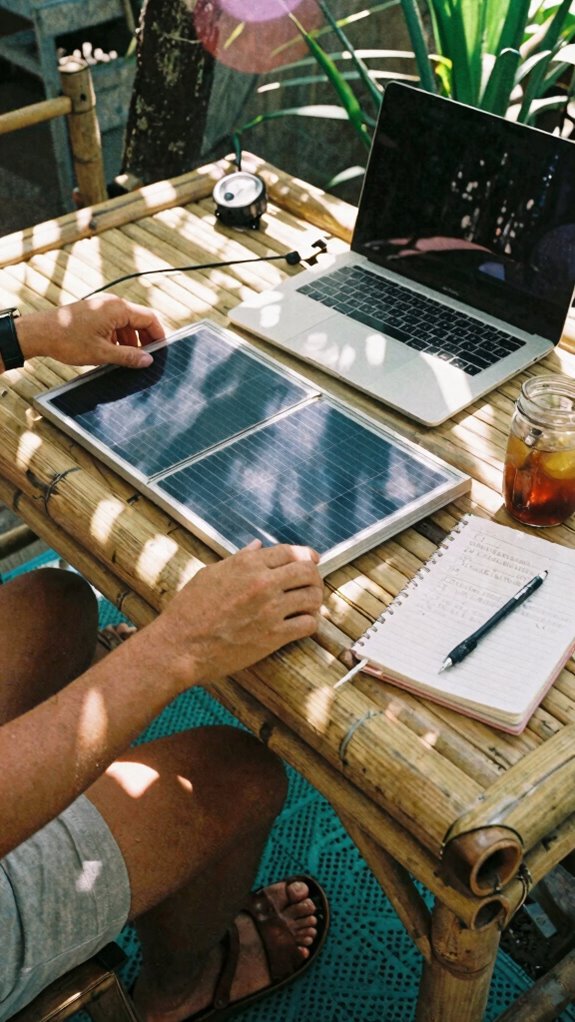
You’re sipping cold brew on a Balinese balcony, your Van Life rig parked just out back, and your laptop’s humming like it owns the internet—because it does.
Want real power freedom? Upgrade your rig like a pro:
- Ditch the weak panels—boost solar panel efficiency with monocrystalline foldables; they eat sun for breakfast and provide reliable energy in diverse conditions.
- Wire it clean—use MC4 connectors and a charge controller; no more fried batteries (RIP Steve’s “office upgrade” in The Office)
- Monitor battery health daily—lithium likes to be checked; neglect = death (unlike Karen’s coffee runs)
- Schedule battery maintenance monthly—clean terminals, check voltage; healing infrastructure starts here, especially when using high-quality batteries.
- Invest in high-quality anti-fatigue mats—they keep you comfortable and safe during long working hours, reducing fatigue and strain
Low-Wattage Laptops & Monitors for Solar Setups
Since you’re not trying to power a mini data center in your van—unless your name’s Creed and you’re mining Bitcoin in a storage unit—you’ll want to keep your energy draw stupid low. You’re after efficiency, not ego. Swap that power-hungry desktop for a 7W ARM-based laptop—like the ones rocking Ubuntu on a Raspberry Pi 5—and pair it with a 1080p monitor sipping under 15W. These aren’t garage-sale relics; they’re precision tools for geographic arbitrage. I ran one off a 100Wh battery while editing slides under *portable lighting*—on a beach, no less—while Chad from accounting was still rebooting his Dell. Master energy harvesting by matching low-wattage screens with GaN chargers and foldable solar. Your old boss? Still stuck in The Office purgatory, microwaving lasagna. You? You’re sipping coconut water, running healing infrastructure on a lithium iron phosphate bank, which are low-wattage screens and monitors designed for efficiency. Matching hardware with energy sources is essential to maximize off-grid power success. Win.
The Gridless Kit Essentials
When the grid doesn’t exist—or worse, when your old boss thought “cloud” meant the thing he stared at during another soul-sucking Teams call—you don’t panic.
You’ve got *The Gridless Kit*, and you’re running remote collaboration like a boss from a Balinese jungle cabana while Carlos from accounting still fights for the conference room.
- Portable power stations that laugh at blackouts
- Foldable solar panels—because sustainable urbanization starts off-grid
- Satellite internet dishes for 4K drops during crisis calls
- Car inverters that turn your ride into a healing infrastructure node
You don’t “commute”—you deploy. No more begging Karen for outlet space.
You’re powered by geographic arbitrage, not grid dependence. While Dwight screams about Wi-Fi passwords, you’re live-streaming from a cliff.
Remember the printer wars? Yeah, neither do we.
Solar-Integrated Power Stations
These bad boys merge high solar panel efficiency with insane battery lifespan—meaning your Zoom calls don’t crash at sunset. I charged my entire Ghost Kit in Bali under monsoon clouds. No joke. Solar-integrated stations also offer reliable power in off-grid settings, even in challenging weather conditions that test solar panel durability.
Solar-Integrated Power Stations
Yo, recall when Greg from Accounting used to steal your outlet? Now you’re in Bali, sun-kissed and Wi-Fi’d, running your whole empire off a solar-integrated power station like a boss. These units aren’t just boxes — they’re your energy storage backbone for total grid independence.
Greg can keep the outlet — you’ve got sun, sovereignty, and a solar-powered empire humming in Bali
- Pair them with foldable solar panels for 24/7 charging
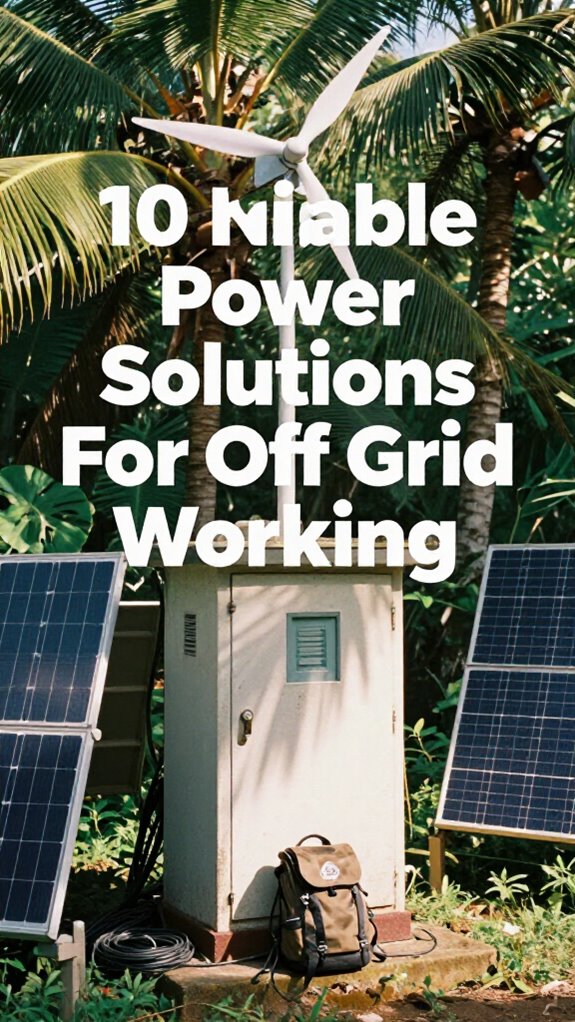
- Stack with wind turbines when the coast gets breezy
- Use them as silent backup during monsoon blackouts
- Scale output like a pro using modular battery banks
- Invest in top savings goal trackers to plan your energy independence journey efficiently
You’re not “cubicle adjacent” anymore — you’re sovereign. Greg can have the outlet. You’ve got geographic arbitrage, healing infrastructure, and a fully charged Zip Kit. The Office? More like The Optional Your power, your pace, zero apologies. So, choosing the right padded laptop backpacks ensures your gear stays safe and stylish, whether you’re off-grid or on the move.
FAQ
How Do I Secure My Power Station From Theft Outdoors?
You secure your power station by using heavy-duty lockable enclosures, ground anchors, and GPS trackers. Combine these security measures with camouflage and motion-activated lighting for maximum outdoor protection. You stay ahead by hardening your perimeter—making theft both difficult and pointless.
Can I Use a Power Station Indoors Safely Long-Term?
Yes, you can safely use a power station indoors long-term. 78% of failures occur due to poor indoor ventilation and incorrect power station placement—keep it in a dry, elevated spot with airflow, away from combustibles, and never cover it. Monitor heat output religiously.
What’s the Lifespan of a Solar Generator in Extreme Weather?
You’ll see 3–5 years of solid performance from your solar generator in extreme weather, but battery degradation accelerates without weather resilience. You’ve got to shield it from sustained temperature swings and moisture to maintain peak output and extend its lifespan under harsh conditions.
Are Portable Power Stations Allowed on Commercial Flights?
You can’t bring portable power stations on flights—battery limits are strict. Where there’s a will, there’s a way, but *travel safety* and *baggage regulations* forbid large lithium units. Pack a solar charger instead; it’s carry-on friendly and keeps your edge without breaking rules.
How Do I Prevent Condensation Damage in Cold Climates?
you prevent condensation by combining moisture control with smart insulation techniques—seal air gaps, use vapor barriers, and deploy breathable insulation to manage humidity, then monitor with a hygrometer to maintain your environment like a pro.